


Which part of the body is the patella?
Jul 07, 2022
Source: Cainiu Health

Dr. Xu Ge
Introduction
The patella is located directly anterior to the knee joint and is easily palpable on the body surface. When the knee is flexed, the bony, rounded prominence that can be felt is the patella. Together with the femur and tibia, it forms the knee joint. The patella’s surface and surrounding area are attached by fibrous connective tissue, allowing for a certain degree of mobility. The patellar ligament passes over its anterior surface and connects to it via this fibrous connective tissue.
The patella is located directly anterior to the knee joint and is easily palpable on the body surface. When the knee is flexed, the bony, rounded prominence that can be felt is the patella—the largest sesamoid bone in the human body. Together with the femur and tibia, it forms the knee joint. The patella serves a protective function for the knee joint and prevents friction between the quadriceps tendon and the articular cartilage of the femoral condyles. In everyday trauma, the patella is prone to injury; moreover, the patellofemoral joint surface—where the patella articulates with the femur—is often the earliest site affected in osteoarthritis or degenerative joint disease.
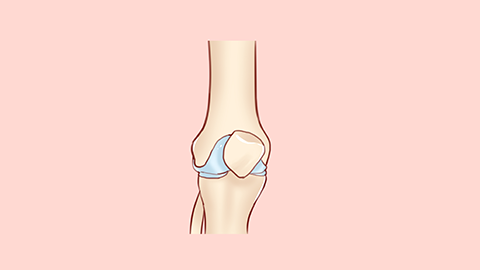
The patella’s surface and surrounding regions are attached by fibrous connective tissue, allowing for a certain degree of gliding motion. The patellar ligament passes over its anterior surface and connects to it via this fibrous connective tissue. During knee extension, the patella acts as a lever fulcrum, enhancing mechanical efficiency and reducing the muscular effort required. The posterior surface of the patella forms the patellofemoral joint, articulating with the femoral trochlea. As the knee flexes and extends, the patella glides along the femoral trochlea, facilitating smooth knee motion.
The patella also contributes to knee joint protection. Patellar injury may impair full knee extension. In daily life, repetitive activities such as running, jumping, weight-bearing, mountain climbing, or ascending/descending stairs subject the patella to excessive mechanical stress. This may lead to wear of the patella’s articular surface, resulting in chondromalacia patellae—a condition characterized by anterior knee pain during knee movement.


