


What Are the Symptoms of Coronary Artery Hardening?

Atherosclerosis itself is a systemic disease that predominantly affects older adults and represents a clear manifestation of arterial aging. As atherosclerosis progresses, arterial stenosis—and even complete arterial occlusion—may develop. Whether resulting in stenosis or tumor-like arterial dilation, the ultimate consequences are often severe. So, what symptoms does coronary artery atherosclerosis produce?
What Are the Symptoms of Coronary Artery Atherosclerosis?
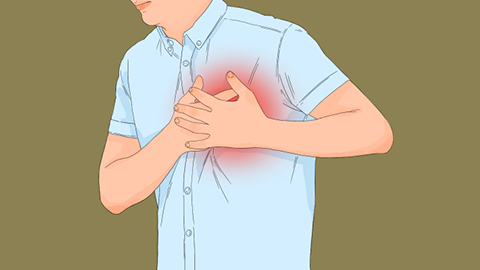
Coronary artery atherosclerosis leads to narrowing and obstruction of the arterial lumen, causing myocardial ischemia, chest pain (angina), palpitations, and dyspnea. With advancing age, blood vessels gradually undergo degenerative changes, losing elasticity. Hypertension, hyperlipidemia, hyperglycemia, and smoking are all established risk factors for coronary atherosclerosis. The most common symptom of coronary atherosclerosis is angina pectoris, typically triggered by cold exposure, vigorous physical exertion, or intense emotional stress. An angina attack usually lasts 3–5 minutes and presents as a constricting pain behind the sternum; the pain may sometimes radiate to the left arm and other areas.

Coronary artery atherosclerosis itself is often asymptomatic. Clinical symptoms typically emerge only after significant stenosis or occlusion develops in the coronary arteries. Patients with coronary stenosis commonly experience recurrent episodes of angina. In contrast, complete coronary occlusion may precipitate acute myocardial infarction (AMI). AMI is an acute, life-threatening condition requiring immediate resuscitation and intervention—including prompt revascularization—to restore coronary blood flow, thereby saving the patient’s life and improving long-term prognosis. Additionally, patients should appropriately increase physical activity, quit smoking and alcohol consumption, reduce psychological stress, and rigorously control blood pressure, blood glucose, and lipid levels.
Patients are advised to maintain healthy lifestyle habits and avoid spicy or irritating foods. Regular, active exercise can help strengthen overall resistance. We hope this information proves helpful to you.


