


What should a pregnant woman do if she has low blood pressure?

During pregnancy, women are prone to developing hypotension (low blood pressure), which—when severe—can endanger fetal health. So, what should be done if a pregnant woman experiences low blood pressure?
What Should Be Done for Hypotension During Pregnancy?
A blood pressure reading below 90/60 mmHg falls within the hypotensive range for pregnant women. Reduced food intake may decrease circulating blood volume; additionally, in late pregnancy, the enlarged uterine cavity can significantly compress veins responsible for returning blood from the lower limbs. Pregnant women with hypotension should enhance their dietary nutrition by consuming foods that tonify qi (vital energy) and nourish blood. They should ensure balanced meat consumption and maintain comprehensive, adequate nutrient intake. Foods rich in vitamin C—such as pork liver, soybeans, and milk—should be included in the diet, along with moderate supplementation of sodium- and cholesterol-rich foods.
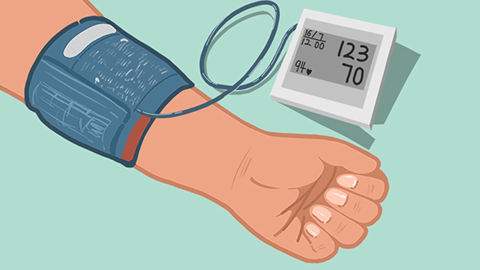
Fetal development relies primarily on the mother to supply various forms of energy and absorb diverse nutrients from her bloodstream. If maternal blood pressure is too low, intravascular pressure decreases, slowing systemic circulation. This may lead to ischemia in distal capillaries, impairing cellular function and nutrient delivery while hindering removal of carbon dioxide and metabolic waste products. Such conditions can compromise normal fetal growth, potentially resulting in miscarriage, preterm birth, or intrauterine fetal demise. For the mother, hypotension may increase the risk of accidental injuries such as fractures or syncope (fainting).
Hypotension can also adversely affect a pregnant woman’s mood. Poor emotional well-being may cause harmful substances to cross the placenta and impact fetal development, potentially leading to congenital malformations or impairing the child’s cognitive development, hearing, vision, and other organ systems. We hope this information proves helpful!


