


Why Is There Brown Discharge During Menstruation?

Menstruation is a cyclical physiological process driven by ovarian activity, resulting in regular, cyclical shedding and bleeding of the endometrium. Menstrual blood is typically dark red in color; when the volume is substantial, clots may also appear. The presence of brownish vaginal discharge, however, indicates an abnormality in menstruation. So why does brownish discharge occur during menstruation?
Why Does Brownish Discharge Occur During Menstruation?
Brownish discharge during menstruation warrants attention, as it may indicate bleeding originating from the genital tract. Generally, premenstrual brownish discharge may arise from several causes: 1. Ovulation bleeding: Some women experience only minimal brownish discharge, usually lasting 2–3 days and rarely exceeding one week, often accompanied by mild ovulation pain and lower back discomfort. Typically, ovulation bleeding is scant and does not interfere with daily life, requiring no treatment. However, women aged 20–40 experiencing heavy bleeding that significantly impacts daily functioning may benefit—under medical supervision—from low-dose estrogen supplementation to alleviate symptoms.
2. Dysfunctional uterine bleeding (DUB): This condition is characterized by irregular menstrual cycles, abnormally heavy menstrual flow, prolonged periods, or unpredictable bleeding episodes. The primary treatment goals are rapid hemostasis, followed by restoration of a normal menstrual cycle to prevent recurrence. Prolonged DUB in some women may lead to varying degrees of anemia, which requires appropriate correction.
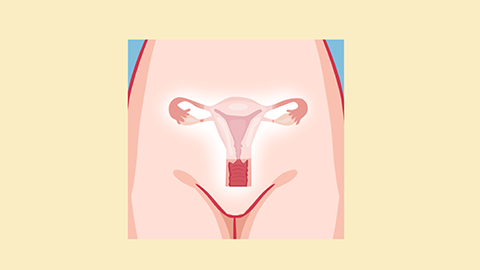
Menstrual blood originates from blood vessels within the body and is therefore normally bright red. However, because it mixes with shed endometrial fragments, cervical mucus, and vaginal epithelial cells, it appears less vividly red than blood from superficial skin injuries. We hope this explanation addresses your concerns!


