


What should I do if my blood pressure is low and the systolic reading is 110?

Low blood pressure can cause dizziness, nausea, and fatigue, significantly impairing daily functioning and adversely affecting health. But what should one do if diastolic blood pressure reaches 110 mmHg?
What to Do When Diastolic Blood Pressure Reaches 110 mmHg
A diastolic pressure of 110 mmHg—especially when isolated (i.e., without concomitant elevation in systolic pressure)—is considered markedly elevated. Isolated diastolic hypertension generally carries a poorer prognosis compared with typical (systolic-diastolic) hypertension; therefore, strict blood pressure control is essential. Pharmacological treatment is the primary approach. Patients should consult a cardiologist at a hospital for comprehensive evaluation—including assessment of liver and kidney function, vascular health, and other relevant parameters—to determine the most appropriate antihypertensive regimen. If long-term medication is required, patients should adopt a light, low-salt, low-fat diet; engage in regular, moderate physical activity; and maintain a positive, stress-free mental state.
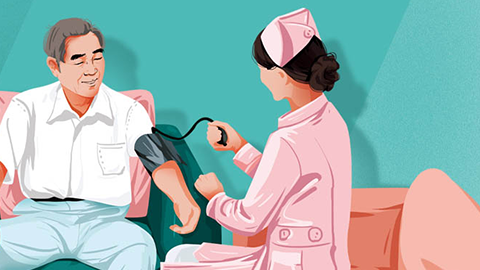
For hypertensive patients whose diastolic pressure has risen to 110 mmHg, selecting an appropriate antihypertensive agent to stabilize blood pressure is advisable. Calcium channel blockers are often recommended. Commonly prescribed agents include nifedipine sustained-release tablets and amlodipine tablets. Patients are advised to seek care at a public hospital and, under physician supervision, select the most suitable drug and dosage based on their individual clinical profile.
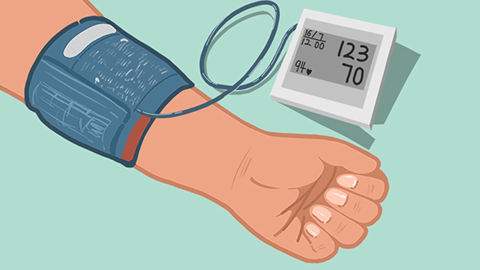
Elevated diastolic pressure warrants dietary modifications. Emphasize plant-based foods such as celery, bean sprouts, leeks, and onions, which may help regulate blood pressure and alleviate symptoms associated with high diastolic pressure. We hope this article proves helpful!


