


How long should premature beats be treated with Wenxin Keli?

Premature beats refer to premature cardiac contractions. During the course of this condition, patients may experience palpitations and a sensation of heart fluttering. Physicians commonly prescribe Wenxin Keli (Stabilizing Heart Granules) to help control disease progression. The duration of treatment is typically determined based on the patient’s clinical response and recovery status. So, how long should Wenxin Keli be taken for premature beats?
How Long Should Wenxin Keli Be Taken for Premature Beats?
Wenxin Keli primarily functions to invigorate Qi, nourish Yin, and promote blood circulation while resolving stasis. It is a traditional Chinese herbal medicine classified as a Qi-tonifying agent, with actions including Qi-invigoration, Yin-nourishment, and blood-activating stasis-resolving effects. It is indicated for conditions characterized by dual deficiency of Qi and Yin combined with stasis in the heart vessels—manifesting as palpitations, restlessness, shortness of breath, fatigue, chest pain, ventricular premature contractions, and atrioventricular premature contractions. However, the duration of treatment generally correlates directly with the severity of the condition and must strictly follow the physician’s instructions.
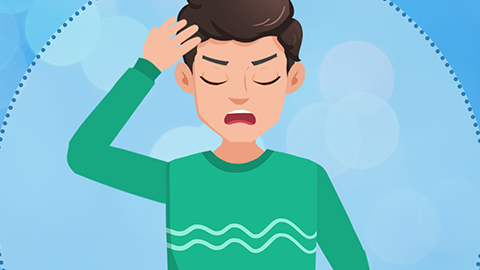
“Premature beats” is a shortened term for premature cardiac contractions—a relatively common type of arrhythmia also known as premature ventricular contractions (PVCs) or premature atrial contractions (PACs). It arises from ectopic pacemaker sites located outside the normal sinoatrial node—such as in the atria, atrioventricular junction, or ventricles—triggering abnormal cardiac excitation and contraction. Clinical manifestations include palpitations, intermittent or “skipped” heartbeat sensations, dizziness, and chest tightness.

Moderately increase intake of foods that promote blood circulation and resolve stasis, such as black fungus (wood ear). Consume fresh fruits and vegetables like apples and carrots. Avoid smoking, alcohol, strong tea, and coffee. Opt for light, easily digestible meals and adhere to a low-sodium diet—limiting salt intake—as this may aid in managing the condition. Also avoid spicy and stimulating foods, such as chili peppers. We hope this information is helpful to you!


