


Does surgical treatment for cervical erosion affect fertility?

Excessive sexual activity, poor personal hygiene after intercourse, and frequent induced abortions may lead to cervical ectropion (historically termed “cervical erosion”) in many women. Does surgical treatment for cervical ectropion affect fertility?
Does surgical treatment for cervical ectropion affect fertility?
Following surgical treatment for cervical ectropion, scar tissue forms at the cervix, reducing its elasticity. During normal vaginal delivery, the cervical os—initially pinhead-sized—must dilate to approximately 10 cm to allow safe passage of the fetus through the birth canal. However, post-surgical scarring compromises cervical elasticity, impairing adequate dilation. As a result, the cervix may fail to dilate sufficiently, increasing the likelihood of requiring cesarean delivery. Importantly, cervical ectropion typically does not require surgical intervention. It is now understood as cervical columnar epithelial ectopy—a normal physiological phenomenon. What was historically labeled “cervical erosion” is, in fact, outward displacement (ectopy) of columnar epithelium, which usually causes no specific symptoms. Thus, cervical ectropion is fundamentally a benign physiological condition that generally requires no treatment.
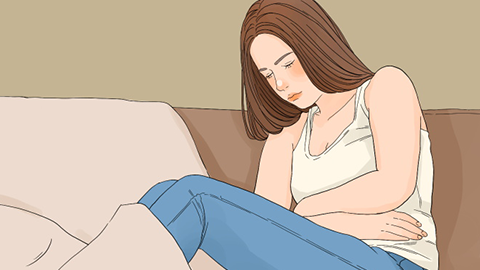
Many married women present with cervical ectropion accompanied by pathological symptoms—including increased vaginal discharge, blood-tinged discharge, foul-smelling discharge, or mild lower abdominal pain. This constellation of findings indicates pathological cervical ectropion, necessitating prompt medical evaluation and anti-inflammatory pharmacotherapy.

After surgery, meticulous perineal hygiene is essential, and sexual intercourse must be avoided. I hope this article proves helpful to you!


