


How to manage cervical erosion
Jul 13, 2022
Source: Cainiu Health

Dr. Chen Zhe
Introduction
Cervical erosion can be categorized into two types: physiological and pathological. Physiological cervical erosion typically does not require treatment. For pathological cervical erosion, mild cases may also be managed conservatively without immediate intervention; however, cervical cancer screening (e.g., Pap smear or HPV testing) and cervical secretion analysis are recommended. In cases of moderate or severe cervical erosion, physical therapy is generally advised.
Many women in daily life experience cervical ectropion (commonly—but inaccurately—referred to as “cervical erosion”), which can significantly impact their health and quality of life. So, how should cervical ectropion be managed?
How to Manage Cervical Ectropion
Cervical ectropion is broadly categorized into two types: physiological and pathological. Physiological cervical ectropion typically requires no treatment. For mild pathological cervical ectropion, treatment may also be deferred temporarily; however, it is advisable to undergo cervical cancer screening (e.g., Pap smear or HPV testing) and cervical discharge examination. In cases of moderate or severe pathological cervical ectropion, physical therapy is generally recommended—common modalities include microwave therapy or loop electrosurgical excision procedure (LEEP).
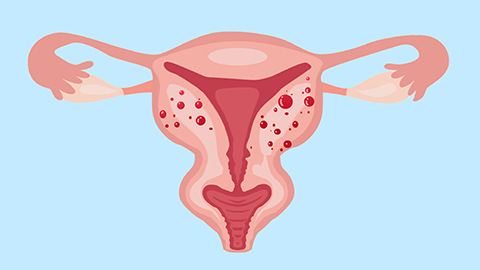
Cervical ectropion primarily arises from two causes. First, poor hygiene—such as inadequate local cleansing—can allow bacteria to proliferate within the uterine cavity, leading to infection. Unsanitary sexual practices and repeated induced abortions are also contributing factors. Second, excessive vaginal cleansing—particularly with strong, harsh detergents—can disrupt the natural vaginal microbiota, impairing the balance of beneficial flora and weakening local immunity against pathogens, thereby increasing susceptibility to infection.
Dietary habits also play an important role in management. Spicy and irritating foods should be minimized, while light, easily digestible meals are encouraged. Adequate hydration is essential to promote urination, which supports recovery. We hope this information proves helpful!



