


Can a woman without a uterus become pregnant?

A small number of young women of childbearing age may develop severe cervical cancer requiring hysterectomy (surgical removal of the uterus) for treatment. However, they often worry about how this will affect their future fertility. So, can a woman without a uterus conceive and bear children?
Can a woman without a uterus become pregnant and give birth?
Clinically, once the uterus is surgically removed, menstruation ceases permanently, and pregnancy becomes impossible. This is because fetal growth and development occur entirely within the uterus—the uterus serves as the “home” for the developing fetus. Without this essential organ, there is no site for embryo implantation, making pregnancy clinically unattainable.
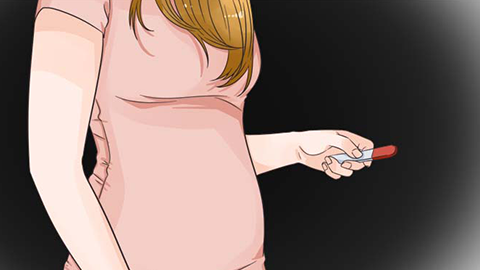
Whether the uterus is removed due to disease or absent congenitally, natural conception and childbirth are not possible. Additionally, absence of the uterus leads to amenorrhea (cessation of menstruation), since menstruation results from shedding of the endometrium—the uterine lining. Following hysterectomy, the endometrium disappears entirely. Moreover, estrogen and progesterone—key reproductive hormones—lose their primary target organ, further preventing menstrual cyclicity.

Premature menopause may occur. The onset of menopause is directly linked to declining ovarian function. A significant portion of ovarian blood supply originates from the uterus. When the uterus is removed, this vascular contribution is lost, potentially compromising ovarian perfusion and accelerating ovarian failure—leading to earlier menopause. Hysterectomy eliminates the anatomical “nest” required for gestation and also precludes successful in vitro fertilization (IVF) with embryo transfer, as there is no uterine cavity to support implantation and pregnancy. Therefore, protecting one’s uterus is critically important. We hope this information has been helpful!


