


What happens if you eat spicy food during menstruation?

Most women enjoy spicy foods, especially during menstruation when appetite often decreases—spicy dishes tend to stimulate appetite and enhance food intake. So, what happens if a woman consumes spicy foods during her period?
What Happens When You Eat Spicy Foods During Menstruation?
Consuming spicy foods during menstruation can irritate the gastrointestinal tract. Capsaicin—the active compound in chili peppers—not only strongly stimulates the gastric and intestinal mucosa, potentially causing symptoms such as stomach pain and diarrhea, but may also induce a burning, stabbing pain in the anal region. Furthermore, gastrointestinal irritation can exacerbate hemorrhoidal bleeding in individuals with pre-existing hemorrhoids. During menstruation, women’s overall immunity declines; consuming spicy, stimulating foods not only increases susceptibility to general discomfort but also reduces uterine resistance. Over time, this weakened defense may render the uterus more vulnerable to bacterial or viral infections, thereby increasing the risk of uterine disorders and menstrual irregularities.

Women are generally advised to avoid spicy foods during menstruation. Immune function is diminished during this phase, and excessive intake of spicy foods may provoke endocrine imbalances and cause pelvic blood vessels to constrict—potentially resulting in reduced menstrual flow. Chronically, this pattern may worsen dysmenorrhea (painful periods), lead to menstrual cycle disturbances, or even cause sudden amenorrhea (cessation of menstruation).
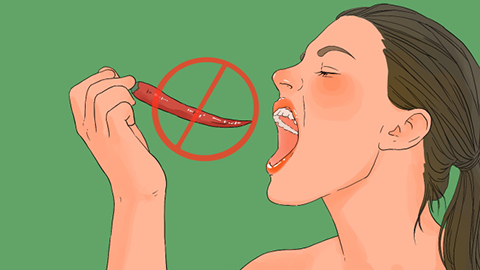
Diet during menstruation should emphasize light, easily digestible foods. Avoid spicy, stimulating, and cold foods; instead, opt for warm-natured fruits and vegetables. Whether during or outside of menstruation, excessive consumption of spicy foods can impair gastrointestinal function and commonly trigger symptoms including stomach pain, abdominal pain, and diarrhea.We hope this information is helpful to you!


