


How should cervical polyps be managed?

Cervical polyps are a common gynecological condition; if severe, they may impair a woman’s fertility and therefore require timely management. So, how should cervical polyps be managed?
How Are Cervical Polyps Managed?
The management of uterine polyps depends on multiple factors, including the size and location of the polyp as well as the patient’s age. For instance, if a cervical polyp develops in a woman over 50 years of age and measures less than 5 mm—with no contact bleeding observed after intercourse—surgical intervention is generally unnecessary. Instead, routine cervical cancer screening is recommended to rule out malignancy. This is because cervical polyps in postmenopausal women may spontaneously shrink or regress. In contrast, for women of childbearing age diagnosed with endometrial polyps larger than 2 cm—especially when associated with prolonged menstrual periods—hysteroscopic polypectomy is indicated.
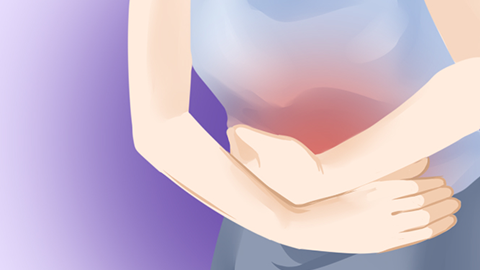
Cervical polyps are a chronic inflammatory condition that can contribute to female infertility, typically resulting from long-term irritation. Localized mucosal hyperplasia within the cervical canal protrudes through the external cervical os, forming a polyp. These polyps may appear singly or multiply, often bright red and tongue-shaped, usually measuring approximately 1 cm in diameter. They are soft, friable, and attached by a thin, vascularized stalk; most originate from the external cervical os, though rarely they may arise from the cervical canal wall. Cervical polyps frequently bleed upon contact, are rarely malignant, but have a relatively high recurrence rate.
After cervical polyp removal, sexual intercourse should be avoided for one month. Vaginal medications may be used starting two weeks post-procedure; sitz baths and tub bathing should be avoided. A follow-up examination is recommended after the next menstrual period; any abnormalities warrant prompt re-evaluation.


