


Why Do People Develop Freckles?

Freckles are typically an autosomal dominant inherited condition, primarily affecting the skin surface of the face. They appear as light brown to tan, discrete pigmented spots. Sun exposure tends to exacerbate freckling. Treatment options include topical medications, oral medications for systemic regulation, and laser therapy. But why do people develop freckles?
Why Do People Develop Freckles?
Freckles constitute an autosomal dominant inherited disorder, predominantly affecting females and usually first appearing in childhood. Clinically, they manifest as small, brown, discrete pigmented macules on the face. Freckle formation is associated with several factors:
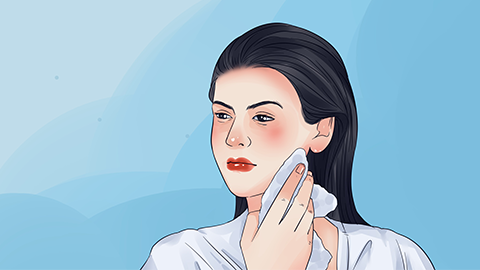
- Genetic factors: Freckles often cluster within families. Research confirms that freckles follow an autosomal dominant inheritance pattern.
- Sunlight exposure: Ultraviolet (UV) radiation from sunlight plays a critical role in both the development and progression of freckles. UV exposure stimulates melanocytes—increasing their size and enhancing melanin production—thereby darkening existing freckles, enlarging their size, and increasing their number.
- Sex: Studies indicate that females have a higher prevalence of freckles than males.
- Ethnicity: Individuals with fair or light skin tones (e.g., Caucasians) are more prone to developing freckles.
- Poor lifestyle habits: Unhealthy daily habits may also contribute to freckle development.

Consistent sun protection is essential for daily skincare. For severe or cosmetically bothersome freckles, laser treatment offers an effective removal option.


