


Which day after menstruation is the ovulation period?

Many newly married couples are eager to conceive. Having intercourse during the ovulation period significantly increases the chances of pregnancy. So, on which day after menstruation does ovulation occur?
On which day after menstruation does ovulation occur?
Ovulation cannot be determined simply by counting days from the end of menstruation. In women with regular menstrual cycles, ovulation typically occurs 14 days before the onset of the next menstrual period; the fertile window spans the five days preceding ovulation and the four days following it (i.e., a total of approximately 10 days). However, for women with irregular cycles, predicting the exact timing of ovulation is difficult. In such cases, ovulation prediction kits (OPKs), basal body temperature (BBT) charting, or transvaginal ultrasound monitoring may be used. For those actively trying to conceive, increasing the frequency of sexual intercourse during the fertile window can enhance the likelihood of pregnancy.
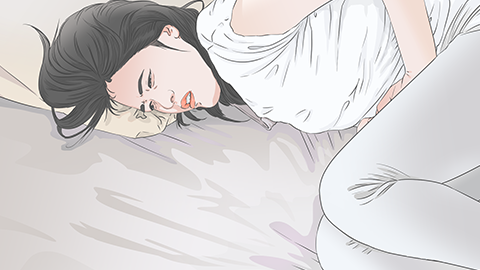
During ovulation, some women may experience mild breast tenderness, a sensation of heaviness or dull ache in the lower abdomen, or mild abdominal pain. Vaginal discharge (leukorrhea) often increases and may become stretchy or “egg-white” in consistency. In rare cases, small amounts of blood-tinged discharge may appear—termed “ovulation bleeding.” This phenomenon is associated with hormonal fluctuations and usually requires no specific treatment if the bleeding is minimal.

Women planning pregnancy should begin taking folic acid supplements prior to conception. It is advisable to quit smoking and alcohol at least six months before attempting conception, maintain consistent daily routines, avoid staying up late or excessive fatigue, and engage in moderate physical activity—such as regular jogging—to optimize overall health and prepare the body for pregnancy. During the preconception period, consume plenty of fresh fruits and vegetables, high-protein foods, avoid sleep deprivation, and minimize prolonged stress or anxiety. We hope this information is helpful to you!


