


Are contractions the same as menstrual cramps?

Pregnant women commonly experience uterine contractions before labor begins. Are these contractions felt the same way as menstrual cramps?
Are uterine contractions and menstrual cramps felt the same way?
The pain of menstrual cramps differs from that of uterine contractions. Menstrual cramps may be accompanied by pelvic congestion, leading to symptoms such as lower abdominal distension, low back aching, and leg weakness. In contrast, labor contractions are more rhythmic: the abdomen tightens intermittently, the uterus hardens, and mild abdominal pain occurs. The intensity of uterine contractions is unparalleled by any other type of pain—significantly stronger than menstrual cramps. Only in cases of severe dysmenorrhea might the sensation resemble early labor contractions; typical menstrual cramps do not reach the intensity of true labor contractions. Labor contractions typically occur every five minutes, lasting at least 30 seconds each. Moreover, their duration progressively lengthens while intervals between them shorten. For first-time mothers, contractions may persist for several hours—even after more than ten hours of labor.
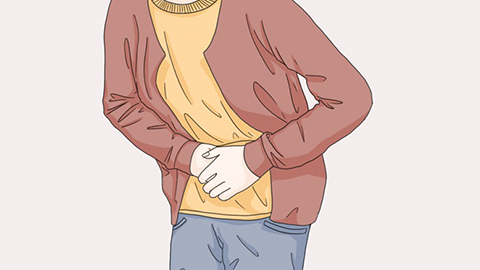
Women experiencing menstrual cramps can generally alleviate discomfort by placing a small pillow under the lower back or applying a hot water bottle to the abdomen. Gentle, moderate massage and drinking plenty of warm water may also help. For more severe cases of dysmenorrhea, ibuprofen sustained-release tablets may be prescribed under medical supervision to provide effective pain relief.

When a woman in late pregnancy experiences regular uterine contractions, she should promptly go to the hospital to prepare for delivery. I hope this article has been helpful to you!


