


How many stages does hypertension have?

Hypertension is an extremely common condition; the more severe the hypertension, the greater its harmful impact on the body. So, how many stages does hypertension have?
Staging of Hypertension
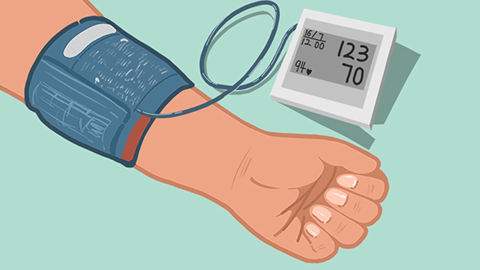
Hypertension is classified into three stages based on systolic and diastolic blood pressure readings. Stage 1 hypertension is defined as systolic blood pressure of 140–159 mmHg and diastolic blood pressure of 90–99 mmHg. Stage 2 hypertension refers to systolic blood pressure of 160–179 mmHg and diastolic blood pressure of 100–109 mmHg. Stage 3 hypertension is characterized by systolic blood pressure ≥180 mmHg and diastolic blood pressure ≥110 mmHg. For Stage 1 hypertension, initial management may focus on lifestyle modifications alone to control blood pressure. However, for Stage 2 and Stage 3 hypertension, antihypertensive medications combined with lifestyle interventions are recommended.
Isolated hypertension itself poses relatively limited risk; however, its complications can be serious. Prolonged hypertension often leads to cerebral arteriosclerosis, cardiovascular arteriosclerosis, or systemic arteriosclerosis. Arteriosclerosis impairs vascular function, potentially causing arterial narrowing and reduced blood supply. Cerebral arteriosclerosis may result in intracerebral hemorrhage, cerebral thrombosis, or cerebral infarction. Cardiovascular arteriosclerosis increases the risk of coronary artery disease. Renal arteriosclerosis may lead to kidney disease. Arteriosclerosis affecting ocular vessels can cause retinopathy.
Patients with hypertension should follow a low-salt, low-fat, light diet; avoid smoking and alcohol; maintain a healthy weight; and minimize excessive stress and fatigue. We hope this information is helpful to you!


