Can people with hypotension fly on airplanes?
Jul 17, 2022
Source: Cainiu Health

Dr. Li Man
Introduction
Patients with hypotension can generally fly, provided their condition is not particularly severe. Prior to flying, patients with hypotension should undergo a medical evaluation at a reputable hospital and follow their physician’s advice regarding fitness to fly. If cleared for air travel, it is advisable to carry prescribed medications when flying. Additionally, maintaining emotional stability and avoiding fatigue are important. For primary (essential) hypotension, management typically includes improving nutrition, engaging in regular physical exercise, and strengthening overall physical health.
In daily life, excessive dieting may lead to hypotension, causing dizziness and fatigue. So, can individuals with hypotension fly on airplanes?
Can individuals with hypotension fly on airplanes?
Individuals with mild hypotension generally can fly safely. However, prior to flying, it is advisable for those with hypotension to undergo a medical evaluation at a reputable hospital and follow their physician’s recommendations regarding air travel eligibility. If cleared to fly, patients should carry necessary medications with them. Additionally, they should maintain emotional stability, avoid fatigue, and refrain from overeating—opting instead for balanced, nutritious meals consumed in moderation (e.g., stopping when about 70–80% full). Individuals with hypotension should consistently cultivate healthy lifestyle habits. Any unhealthy behaviors should be identified and corrected. A diet rich in nutrient-dense foods—including lean meats—and regular, appropriate physical activity are strongly recommended.

Hypotension can be either physiological or pathological—and further classified as primary (idiopathic) or secondary. Because the underlying causes vary, treatment approaches differ accordingly. For physiological hypotension, no specific treatment is usually required; regular blood pressure monitoring and observation suffice. In contrast, secondary hypotension—resulting from an underlying disease—requires active management and treatment of the primary condition.
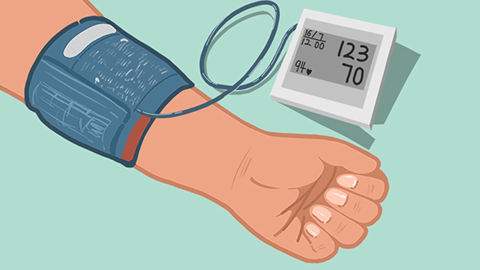
For primary (idiopathic) hypotension, improving nutrition, engaging in regular physical exercise, and strengthening overall physical fitness are key therapeutic strategies. I hope this response proves helpful to you. Wishing you good health and a cheerful disposition!