


How to Treat Premature Ventricular Contractions (PVCs)

In daily life, many people experience premature cardiac contractions (premature ventricular or atrial contractions). So, how are premature cardiac contractions treated?
How Are Premature Cardiac Contractions Treated?
The causes of premature cardiac contractions fall into two categories: physiological and pathological. Physiological premature contractions occur in the absence of evident organic heart disease. In contrast, pathological premature contractions result from underlying conditions such as coronary artery disease, myocardial ischemia, or myocardial infarction. For physiological premature contractions, treatment options include pharmacotherapy, electrical cardioversion, or radiofrequency ablation. For pathological premature contractions, the primary focus is treating the underlying disease. Conditions such as anemia, hyponatremia, hypokalemia, thyroid dysfunction—including both hyperthyroidism and hypothyroidism—may trigger premature contractions. Some patients develop premature contractions secondary to cardiomyopathy, coronary artery disease, or myocarditis; congenital heart disease may also be a contributing factor.
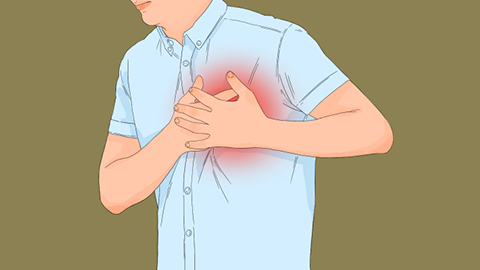
Aside from these organic causes, some patients may experience premature contractions due to significant psychological stress, chronic fatigue, sleep deprivation, or underlying mental health conditions such as anxiety or depression. Effective management of premature contractions requires identifying and addressing the patient’s specific etiology or triggering factors, followed by tailoring an appropriate pharmacological or non-pharmacological treatment plan to achieve optimal symptom control.

During treatment, maintaining a positive mindset and avoiding excessive physical or mental strain is essential. I hope this response has been helpful. Wishing you good health and peace of mind!


