


What Can People with Urticaria Eat?

Skin diseases have long been a major challenge for people to overcome. Human skin is sensitive to weather and temperature changes, sometimes manifesting various abnormal symptoms. Among these, urticaria (hives) is an extremely common dermatological condition. Dietary considerations are especially important—so what can individuals with urticaria eat?
What Can People with Urticaria Eat?
Individuals with urticaria should consume light, easily digestible foods. Generally, suitable options include congee (rice porridge), steamed buns, eggs, noodles, and other wheat-based foods, along with moderate amounts of seasonal, fresh vegetables and fruits. For urticaria triggered by allergies, antihistamine medications may be taken orally under a physician’s guidance to alleviate symptoms; in severe cases, intravenous therapy or traditional Chinese medicine (TCM) treatment may be considered. Patients should ensure adequate rest, avoid staying up late, and refrain from smoking and alcohol consumption.
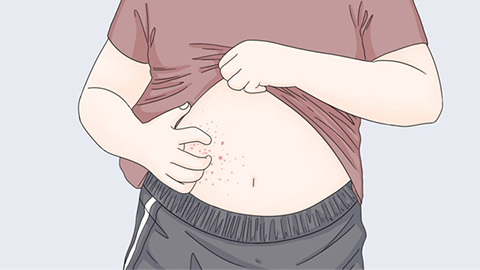
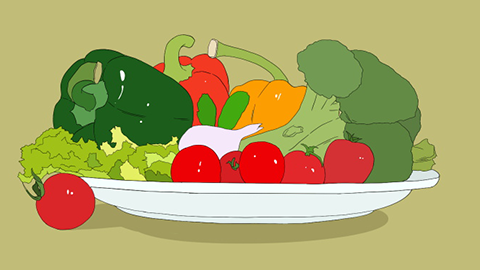
People with urticaria should eat light, easily digestible foods. They should increase intake of seasonal, fresh vegetables and fruits rich in vitamins, while avoiding spicy and irritating foods such as fish, shrimp, crab, beef, and mutton. Urticaria has numerous potential causes, yet most patients cannot readily identify the precise trigger. Therefore, it is advisable for individuals with urticaria to keep a food diary documenting their daily meals, helping them pinpoint personal allergens and avoid subsequent exposure.
Patients are advised to seek prompt medical attention upon noticing any symptoms and undergo targeted treatment under professional medical guidance. Self-medication should be avoided to prevent disease progression. We hope this information proves helpful to you.


