


What fruits should be eaten when suffering from tonsillar abscess?

In daily life, tonsillar enlargement is extremely common—but also highly detrimental—significantly impacting our quality of life. Dietary habits require special attention; patients should avoid spicy or irritating foods. So, which fruits are suitable for individuals with suppurative tonsillitis?
Which Fruits Are Recommended for Suppurative Tonsillitis?
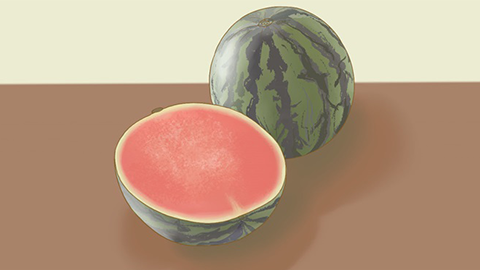
Patients with suppurative tonsillitis should consume bland, liquid, or semi-liquid foods and avoid overly sweet, sour, spicy, or irritating foods. Warm, mild fruits such as watermelon, pear, apple, banana, peach, mango, honeydew melon, and grape are appropriate choices. However, heat-inducing, excessively sweet fruits—such as pineapple, lychee, and longan—should be avoided. If throat pain is particularly severe and swallowing is difficult, fruits may be blended into juice. A small amount of ice may be added to the juice, but not excessively; mildly cool (not icy-cold) foods help reduce mucosal hyperemia and swelling in the pharynx, thereby alleviating inflammation.
Suppurative tonsillitis typically represents an acute inflammatory condition of the tonsils. Patients commonly present with high fever, severe sore throat, and dysphagia. A diet rich in vegetables and fruits is recommended; suitable fruits include apples, pears, bananas, and pineapple—though mango should be consumed sparingly. During acute exacerbations, dietary adjustments alone are insufficient; prompt medical evaluation at a hospital is essential. Additionally, maintaining adequate hydration is critically important.

Patients are advised to adopt healthy dietary habits—favoring bland, non-irritating foods—and strictly avoiding spicy, stimulating foods and excessive alcohol consumption. We hope this information proves helpful.


