


Is a blood pressure of 80 (systolic) normal?

In daily life, hypertension is not only very common but—contrary to the statement—is actually *not* a form of low blood pressure. This passage contains an error: hypertension (high blood pressure) and hypotension (low blood pressure) are distinct conditions. Hypotension, however, is relatively common—particularly among older adults and women. There are numerous potential causes of low blood pressure, and it can pose certain health risks. Consequently, many people naturally wonder: “Is a diastolic (low) blood pressure of 80 mmHg normal?”
Is a diastolic blood pressure of 80 mmHg normal?
A diastolic (low) blood pressure between 60 and 80 mmHg is considered normal. Blood pressure readings consist of two values: the higher value is the systolic pressure (normal range: 90–140 mmHg), while the lower value is the diastolic pressure (normal range: 60–90 mmHg). Hypotension is diagnosed in adults when three consecutive blood pressure measurements show a systolic pressure below 90 mmHg *and* a diastolic pressure below 60 mmHg. Therefore, a diastolic pressure of 60–80 mmHg falls well within the normal range and generally has no adverse health implications.
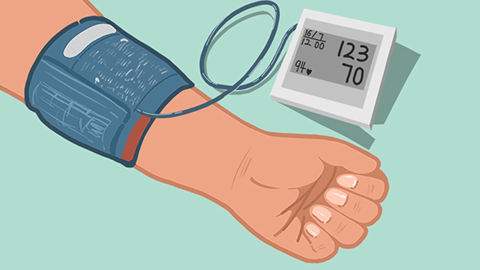
A diastolic pressure of 60–80 mmHg is normal. In healthy individuals, diastolic (low) blood pressure typically ranges from 60 to 90 mmHg; thus, 60–80 mmHg lies comfortably within this normal spectrum. However, if diastolic pressure drops *below* 60 mmHg, it may indicate hypotension. Since hypotension has many possible underlying causes, identifying and addressing the root cause is essential. In severe cases, untreated hypotension can progress to shock—a life-threatening emergency.

Patients are advised to maintain healthy lifestyle habits, follow a balanced diet, and avoid spicy or irritating foods. Regular outdoor physical activity is encouraged to strengthen immunity. We hope this information is helpful to you.


