


Does eczema cause itching?

In daily life, many people encounter difficult-to-treat skin conditions. The pain and itching experienced during flare-ups can be unbearable—eczema being one of the most common such conditions. So, does eczema cause itching?
Does Eczema Cause Itching?
Yes, eczema often causes itching. As a recurrent condition, eczema is almost invariably associated with pruritus (itching). The intensity of itching typically correlates with the severity of skin lesions: intense itching occurs with more severe lesions, while milder lesions produce only mild itching. Itching may be localized, intermittent, or persistent—and may affect the entire body. Sometimes, itching arises spontaneously without an obvious trigger. From a Western medical perspective, this pruritus results from allergic reactions that trigger the release of histamine and other inflammatory mediators, which directly stimulate nerve endings and provoke itching.
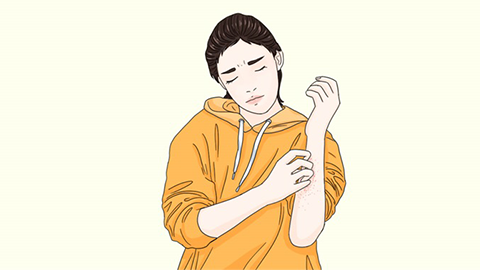
Eczema is a chronic, relapsing inflammatory skin disorder affecting the epidermis and superficial dermis. Upon exposure to allergens, histamine and other inflammatory mediators accumulate in the skin, leading to pruritus. Consequently, non-itchy eczema is extremely rare—even in chronic cases. However, when psychological stress or dietary factors trigger eczema flares, even patients with chronic eczema may experience pronounced itching, making the symptom particularly distressing. Clinically, if eczema is accompanied by pruritus, controlling the itch should be a primary therapeutic goal—because uncontrolled itching significantly impairs quality of life, disrupting essential functions such as eating and sleeping.
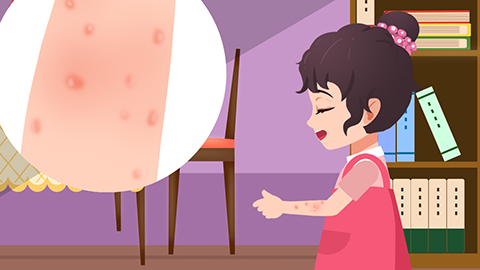
Patients are advised to adopt healthy lifestyle habits and maintain a balanced diet, avoiding spicy and irritating foods. We hope this information proves helpful.


