


Foods to Avoid with Papular Urticaria

Many individuals with allergic constitutions are prone to developing urticaria, exhibiting symptoms such as wheals (raised, itchy welts), erythema (redness), swelling, and pruritus (itching) on the skin. Patients with urticaria must pay close attention to numerous details in daily life. So, which foods should be avoided in papular urticaria?
Foods to Avoid in Papular Urticaria
Avoid spicy, irritating, and volatile foods—such as mutton and seafood. Instead, appropriately supplement vitamin C and calcium. In daily life, maintain a clean environment and good personal hygiene; avoid insect bites and refrain from touching pets such as dogs, cats, and birds. Prevent local irritation and scratching to reduce the risk of secondary infection. Engage regularly in physical exercise to strengthen the body’s immune system. The primary causes of papular urticaria include allergic skin reactions triggered by insect bites or external allergens/irritants. Therefore, adopt a light, balanced diet rich in fresh vegetables and fruits, while minimizing intake of spicy and stimulating foods—this approach can effectively alleviate symptoms.
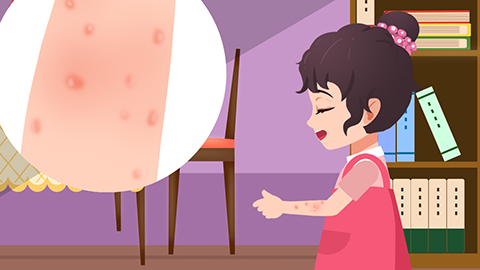
Patients with urticaria should keep a record of foods and substances that trigger their allergic reactions and consciously avoid contact with them in daily life. They should also take care to prevent skin injuries—especially open wounds—particularly during active disease flares. Consume ample fresh fruits and green, healthful vegetables. Patients must not self-medicate or take medications indiscriminately without medical supervision. It is essential to monitor one’s condition closely and seek prompt evaluation and treatment at a qualified medical facility.
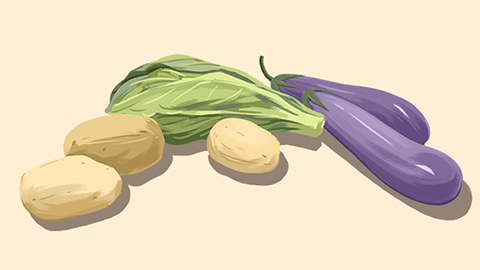
We recommend that patients go to bed early, consume more vegetables, and avoid using medications without professional guidance. Medication selection and use must always be conducted under a physician’s direction. We hope this information proves helpful to you.


