


Complications of Coronary Artery Disease
Jul 29, 2022
Source: Cainiu Health

Dr. Li Man
Introduction
The most common complication is arrhythmia. In patients with coronary artery disease (CAD), inadequate blood supply to the heart disrupts cardiac electrical activity, leading to arrhythmias. Chronic CAD can result in hypertension and blood pressure instability. CAD may also cause unstable angina; in severe cases, it can progress to heart failure, cardiogenic shock, or even sudden cardiac death. Additionally, CAD can lead to systemic complications.
Coronary artery disease (CAD) is one of the most common conditions affecting elderly patients today and significantly impairs their daily functioning. Its primary symptoms are typically prominent, enabling timely medical intervention in most cases. So, what are the complications associated with CAD?
Complications of Coronary Artery Disease
The most common complication is arrhythmia. In CAD patients, inadequate myocardial blood supply disrupts the heart’s electrical activity, leading to arrhythmias. Chronic CAD may also cause hypertension and blood pressure instability. Additionally, CAD can precipitate unstable angina; in severe cases, it may progress to heart failure, cardiogenic shock, or sudden cardiac death. Systemic complications may also occur. In critical situations, multiple organ failure can develop due to insufficient perfusion of target organs—including cerebral hypoperfusion—resulting from compromised cardiac output. Impaired cardiac function diminishes the heart’s pumping capacity, thereby contributing to cerebrovascular insufficiency.
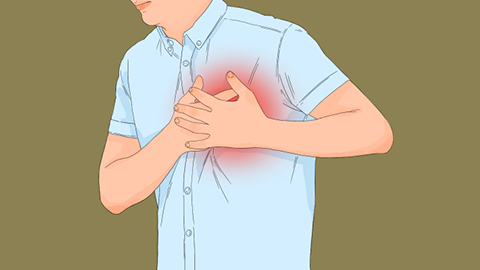
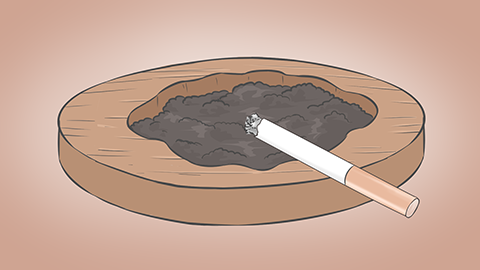
Dietary management is crucial for CAD patients. For instance, intake of animal-derived proteins must be carefully controlled. Patients may instead consume plant-based protein sources—such as soy products—to help prevent cholesterol accumulation within arterial walls. Smoking cessation is also essential: tobacco use induces coronary artery spasm, resulting in myocardial ischemia, worsening angina, or even triggering myocardial infarction. Regular physical activity is recommended to improve lipid metabolism and promote fat utilization. In cases of advanced disease, patients must adhere closely to their physician’s treatment plan to prevent disease progression and safeguard their health.
Elderly patients should prioritize regular health maintenance and engage in appropriate physical exercise to minimize disease recurrence and reduce the risk of complications. Special attention to these aspects is therefore vital. We hope this information proves helpful to you.


