


Differences Between Anteverted and Retroverted Uterus
Jul 31, 2022
Source: Cainiu Health

Dr. Lv Aiming
Introduction
Specific differences are as follows:
I. Different anatomical positions.
The female uterus is located within the pelvis. Its position may be anteverted (tilted forward), retroverted (tilted backward), or mid-positioned (neither markedly anteverted nor retroverted). All of these positions are considered normal.
II. Anteverted uterus confers a higher conception rate compared with retroverted uterus; however, it is also one of the contributing factors to placenta previa.
The uterus is a vital organ for reproduction, and its precise anatomical position can influence the likelihood of conception. So, what are the differences between an anteverted (anterior) and a retroverted (posterior) uterus?
Differences Between Anteverted and Retroverted Uterus
The key distinctions are as follows:
1. Position: The uterus resides within the pelvic cavity. Its orientation may be anteverted (tilted forward), retroverted (tilted backward), or mid-positioned (neither markedly forward nor backward). All three positions are considered normal variants.
2. Fertility implications: An anteverted uterus is generally associated with a slightly higher conception rate compared to a retroverted uterus. However, it may also be one contributing factor to placenta previa—a condition in which the placenta partially or completely covers the cervical os. Placenta previa poses significant risks, notably painless vaginal bleeding during the late second or third trimester.
3. Anatomical orientation: A retroverted uterus refers to a uterus that tilts backward toward the sacrum. This orientation may cause the cervix to point upward rather than forward, making it less accessible to semen during intercourse and thereby potentially reducing the chances of conception compared to an anteverted uterus.
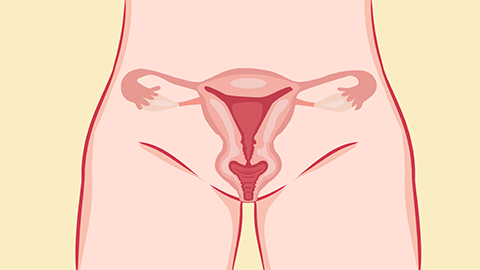
During pregnancy, women with an anteverted uterus typically experience more pronounced abdominal protrusion as the uterus enlarges. In contrast, those with a retroverted uterus may exhibit less visible abdominal distension early on, since the uterus initially rises posteriorly against the sacrum. However, as pregnancy progresses, women with a retroverted uterus often report more prominent lower back pain—potentially due to mechanical pressure from the growing uterus on the lumbar spine and surrounding structures.

For women with a retroverted uterus hoping to optimize fertility, certain coital positions may help improve sperm retention and cervical exposure—for example, elevating the hips post-intercourse (e.g., using a pillow under the pelvis), or adopting positions such as rear-entry (doggy-style) or knee-chest positioning. These techniques may help prevent semen leakage and facilitate sperm migration toward the cervix.
I hope this information is helpful. Wishing you optimal health and well-being!



