


The most common symptom in hypertensive encephalopathy is

Many people become angry over trivial matters, while others experience anxiety—such as before a job interview—which can hinder effective blood pressure control. So, what are the most common symptoms of hypertensive encephalopathy?
The most common symptoms of hypertensive encephalopathy are:
The most common symptoms of hypertensive encephalopathy typically include headache, vomiting, altered mental status (e.g., confusion), seizures, and nuchal rigidity. These manifestations generally fall into five main categories:
1. Elevated intracranial pressure, severe headache, projectile vomiting, nuchal rigidity, and papilledema.
2. Disorders of consciousness—including agitation, euphoria, depression, rigidity, somnolence, or even coma—as well as psychiatric disturbances. Seizures may present as generalized or focal epilepsy, or even status epilepticus.
3. Paroxysmal dyspnea.
4. Other neurological deficits, such as aphasia, hemiparesis, hemianopia, transient monocular blindness (amaurosis fugax), or temporary blindness.
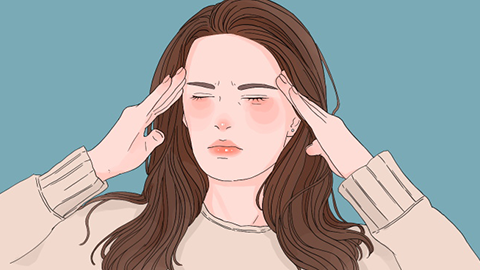
5. Headache: Approximately 70% of patients experience severe, diffuse headache—or prominent frontal or occipital pain—often exacerbated by physical exertion and frequently accompanied by nausea and vomiting. Headache typically improves when blood pressure decreases.
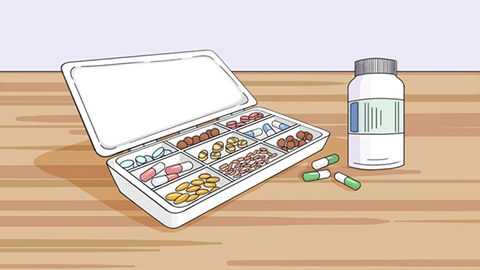
Several considerations are essential in managing hypertensive encephalopathy. For instance, blood pressure must be strictly controlled—ideally maintained below 140/90 mmHg. Daily blood pressure monitoring is recommended; if daily measurement is not feasible, monitoring at least once per week is advised. Additionally, incorporating regular aerobic exercise—such as brisk walking or jogging for ≥30 minutes daily, at least five days per week—is highly beneficial. Uncontrolled hypertensive encephalopathy can cause significant systemic damage; therefore, maintaining stable blood pressure around the clock is critical. Avoid excessive fluctuations in blood pressure—and do not lower it excessively. It is strongly recommended to take antihypertensive medications daily as prescribed, without discontinuing or adjusting dosage arbitrarily. Always adhere strictly to your physician’s instructions.
In daily life, it is advisable to limit intake of high-fat foods and ensure adequate protein intake. We hope this information proves helpful to you.


