


Why do I feel nauseous after eating even a small amount of food?

Nausea is a common gastrointestinal symptom caused by certain chemical changes in the body or other underlying diseases. There are numerous potential causes of nausea—some require no treatment, while others necessitate prompt medical intervention. So why does eating even a small amount of food trigger nausea?
Why Does Eating Trigger Nausea?
If nausea occurs shortly after eating and is accompanied by diarrhea and vomiting, acute gastroenteritis should be considered—most commonly caused by viral or bacterial infection. Second, in women of childbearing age, early pregnancy should be suspected; this can be confirmed using a home pregnancy test or blood tests. Nausea may also stem from gastrointestinal disorders such as acute or chronic gastritis and gastric ulcers, which typically require diagnosis and management via gastroscopy. Finally, other serious conditions—including viral hepatitis, acute myocardial infarction, cardiac disease, and stroke—must also be considered as possible causes.

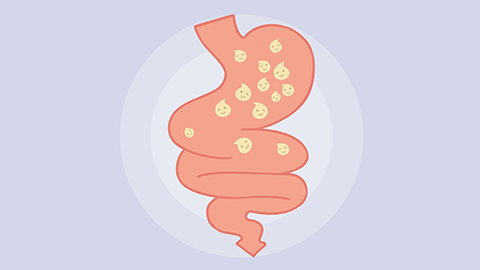
Nausea occurring after meals is often associated with gastric disorders and can be managed pharmacologically. Many individuals suffer from gastric conditions, most commonly chronic gastritis and gastric ulcers. These disorders damage the gastric mucosa and impair normal digestive function. After eating, gastric inflammation worsens—particularly at ulcer sites—leading to symptoms such as nausea and vomiting. For nausea attributable to gastric disease, mucosal-protective medications are essential. During pharmacological treatment, patients should also adopt a bland, easily digestible diet to support gastric mucosal healing.
Patients are advised to maintain healthy lifestyle habits and practice balanced, rational dietary choices—specifically avoiding spicy and irritating foods. We hope this information proves helpful.


