


What precautions should be taken after being diagnosed with coronary heart disease?

As society advances and living standards improve, an increasing number of individuals are experiencing declining health, with many developing cardiovascular diseases such as coronary artery disease (CAD). So, what precautions should one take after being diagnosed with CAD?
What to Pay Attention to After Being Diagnosed with Coronary Artery Disease
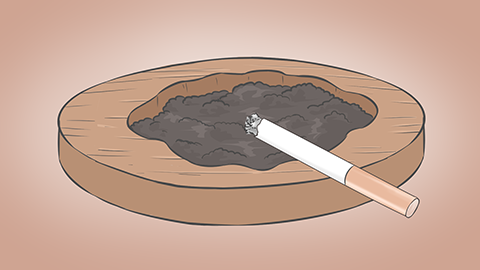
If clinically diagnosed with CAD, the most important step is to promptly visit a cardiology outpatient clinic to initiate appropriate pharmacological treatment. Medication regimens vary among individuals and are determined based on the severity and risk stratification of CAD, levels of coronary atherosclerotic risk factors, age, and other comprehensive clinical considerations—ultimately guiding the formulation of a personalized, integrated treatment plan. Once a diagnosis of CAD has been established and standardized, evidence-based drug therapy initiated, patients must also adopt disciplined lifestyle habits—including regular routines for diet, physical activity, and daily life—with well-structured, reasonable plans. For example, dietary intake should be low in salt and fat, and meals should be light and balanced; smoking is strictly prohibited.
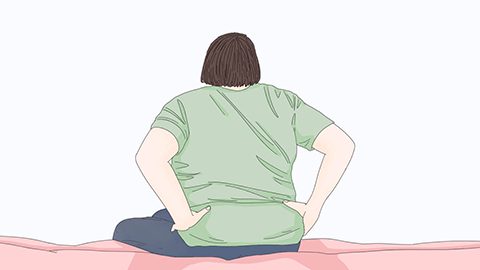
Patients with CAD must monitor their body weight and avoid excessive obesity. If already overweight or obese, weight loss is essential—achieved through moderate increases in physical activity, reduced caloric intake, smaller evening meals, and avoidance of binge eating or overeating. Excessive obesity elevates blood lipid levels and increases blood viscosity, thereby raising peripheral vascular resistance and blood pressure—factors that can exacerbate CAD. Patients should also avoid emotional stress, anger, or agitation, and refrain from overexertion. Regular, moderate physical activity benefits overall health. Additionally, intake of salt, fats, and cholesterol must be carefully controlled, as excessive consumption of these substances may worsen CAD—thus reinforcing the importance of a light, balanced diet.
We recommend that patients maintain healthy lifestyle habits, adhere to a light and balanced diet, avoid spicy or irritating foods, and completely abstain from tobacco and alcohol. We hope this information proves helpful to you.


