


Why Do Menstrual Cramps Occur?

During menstruation, many women experience various discomforts—such as lower back soreness or a sensation of heaviness—and may also suffer from lower abdominal pain. So why does menstruation cause dysmenorrhea?
Why Does Menstruation Cause Dysmenorrhea?
Dysmenorrhea during menstruation is commonly associated with primary dysmenorrhea. Primary dysmenorrhea refers to painful menstruation occurring in the absence of any organic pelvic pathology and accounts for over 90% of all dysmenorrhea cases. In contrast, secondary dysmenorrhea results from identifiable organic pelvic disorders. Primary dysmenorrhea is primarily attributed to elevated levels of prostaglandins in the endometrium at menarche. Excess prostaglandins trigger excessive uterine smooth muscle contractions, leading to vascular spasm, uterine ischemia, and hypoxia—ultimately resulting in menstrual pain.
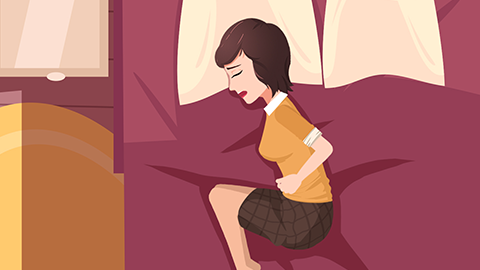
Primary dysmenorrhea can also be influenced by psychological and neurological factors. Individual differences further affect the subjective perception of pain. Secondary dysmenorrhea, on the other hand, is associated with underlying pathological conditions—such as endometriosis, adenomyosis, or pelvic inflammatory disease—and requires treatment of the underlying condition to alleviate the pain.

For severe dysmenorrhea, analgesics such as ibuprofen sustained-release capsules may be taken under a physician’s guidance. Particularly in cases of secondary dysmenorrhea, timely diagnosis and targeted treatment of the underlying disease are essential. We hope this information proves helpful to you!


