


What causes menstruation to last only one day?

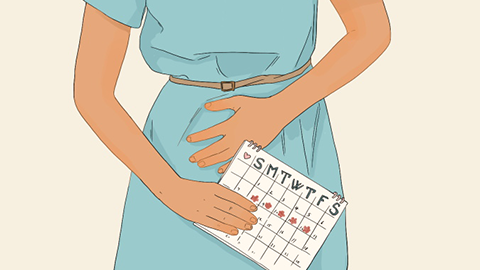
In general, women of childbearing age experience regular menstruation, which typically lasts 3–7 days. Menstruation lasting less than 3 days is often considered irregular. If menstrual bleeding ceases after only one day, this is highly abnormal and warrants investigation to identify the underlying cause and initiate appropriate treatment. So, what are the possible causes of menstruation lasting only one day?
What Causes Menstruation to Last Only One Day?
Menstruation lasting just one day is commonly associated with ovarian dysfunction, such as diminished ovarian reserve or polycystic ovary syndrome (PCOS). Both conditions can lead to reduced estrogen levels, resulting in decreased menstrual flow. Uterine factors may also contribute—for instance, a history of intrauterine procedures such as induced abortion or dilation and curettage (D&C) may have caused significant endometrial damage or intrauterine adhesions (Asherman’s syndrome), leading to scanty menses postoperatively. Additionally, pituitary disorders—such as a prolactinoma or other pituitary tumors—can disrupt hormonal regulation and cause oligomenorrhea (infrequent or very light periods).

Menstruation lasting only one day is abnormal and requires careful evaluation of the timing of the bleeding. If it occurs around mid-cycle, it may represent ovulation-related spotting. Conversely, if bleeding occurs outside the expected ovulatory window—i.e., without a regular menstrual cycle—and is irregular, it may indicate gynecologic inflammation. Cervical erosion or cervical polyps can also cause intermittent bleeding. When bleeding is confined to a single day within an otherwise normal menstrual cycle, it may reflect endocrine imbalance, particularly low estrogen levels.
Furthermore, early pregnancy complications—including threatened miscarriage or ectopic pregnancy—can present with vaginal bleeding. In such cases, transvaginal ultrasound is essential to confirm diagnosis and guide targeted management. We hope this information proves helpful to you.


