


Can pulpitis heal spontaneously?

Teeth are a vital component of the human body, primarily used for chewing food to facilitate nutrient absorption. Consequently, teeth play an essential role in maintaining overall health. This importance becomes especially evident in elderly individuals who have lost their teeth—many experience significant discomfort and difficulty eating a wide variety of foods. Therefore, proper dental care should be prioritized throughout life. Some people neglect oral hygiene, leading to conditions such as pulpitis. Can pulpitis heal spontaneously?
Can Pulpitis Heal Spontaneously?
Under normal circumstances, pulpitis does not resolve on its own and requires professional dental treatment. Pulpitis is broadly classified into two types: reversible pulpitis and irreversible pulpitis. Reversible pulpitis may be treated with medications alone, without the need for root canal therapy—meaning the dental pulp (nerve) remains intact and functional. In contrast, irreversible pulpitis is more challenging to treat, as the pulp tissue is typically necrotic (dead). In such cases, the infected or necrotic nerve must first be removed (via pulpectomy or root canal treatment) before proceeding with root canal therapy. Thus, spontaneous recovery is generally not possible.
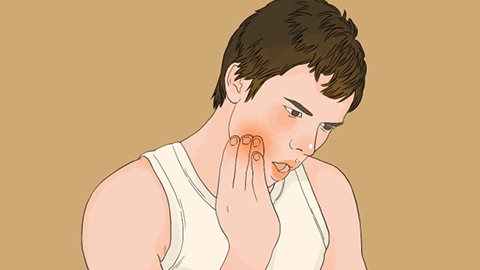
If left untreated, pulpitis can cause severe, persistent pain—many patients report intense nocturnal pain that significantly disrupts sleep. Pain may also occur during meals, diminishing the enjoyment of eating. Furthermore, delayed treatment increases the risk of complications, such as apical periodontitis. Beyond localized symptoms, systemic manifestations—including headaches and neuralgic pain—may also develop and become quite severe.

We recommend brushing your teeth twice daily—morning and night—and avoiding shortcuts in oral hygiene. Consistent brushing helps remove plaque and debris, thereby inhibiting bacterial growth. We hope this information proves helpful.


