


Is cervical erosion the same as cervicitis?
Aug 01, 2022
Source: Cainiu Health

Dr. Lv Aiming
Introduction
Cervical erosion is not cervical inflammation. Cervical erosion is a normal physiological phenomenon, also known as ectopic cervical columnar epithelium. If examination reveals no abnormalities associated with cervical erosion, no treatment is required. Cervicitis, by contrast, is a localized inflammatory condition of the cervix caused by pathogen infection and requires antibiotic therapy. Patients with cervical erosion may concurrently develop cervicitis.
Gynecological conditions affect many women, such as abnormal vaginal discharge and cervical ectropion (historically termed “cervical erosion”). So, is cervical ectropion the same as cervicitis?
Is cervical ectropion the same as cervicitis?
No, cervical ectropion is not cervicitis. Cervical ectropion is a normal physiological phenomenon—specifically, ectopic displacement of the cervical columnar epithelium. If a TCT (ThinPrep cytology test) confirms cervical ectropion and HPV testing shows no abnormalities, no treatment is required. In contrast, cervicitis is a localized inflammatory condition of the cervix caused by pathogenic infection and typically requires antibiotic therapy. Patients with cervical ectropion may concurrently develop cervicitis.
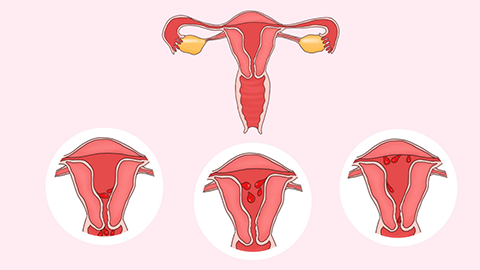
Cervical ectropion may result from chronic inflammatory stimulation and can be considered one manifestation of cervicitis. It is clinically classified into mild, moderate, and severe forms. Mild cases may be managed with medications, whereas severe cases may require physical therapies. We recommend prompt evaluation at a reputable, specialized hospital. Based on diagnostic findings, targeted treatment should be administered under the guidance of a physician. Self-treatment or inappropriate interventions are discouraged, as they may exacerbate the condition; instead, evidence-based, individualized therapy should be pursued to achieve optimal outcomes.
Avoid frequent use of chemically formulated vaginal douches for external genital cleansing; plain, clean warm water is sufficient. Dietarily, prioritize mild, non-irritating, nutrient-rich foods, and limit intake of spicy, stimulating, or seafood-based items. Change underwear regularly and avoid wearing synthetic, poorly ventilated fabrics. During treatment, abstain from sexual intercourse and avoid sitz baths to prevent irritation or secondary infection, which could worsen symptoms and prolong recovery.We hope this information is helpful to you!


