


Can alcohol be used to treat onychomycosis (gray nail)?
Aug 01, 2022
Source: Cainiu Health

Dr. Liu Wan
Introduction
Alcohol has a certain therapeutic effect on onychomycosis (gray nail), but it cannot completely cure the condition. Since onychomycosis is a fungal infection, antifungal medications are the preferred treatment. Commonly used systemic antifungal agents include itraconazole and terbinafine. Topical treatments include ciclopirox cream and amorolfine lacquer. Additionally, povidone-iodine also exhibits some efficacy against onychomycosis. It is important to disinfect footwear and socks regularly.
Both medical-grade alcohol and the alcoholic beverages we commonly consume possess certain antimicrobial and disinfectant properties. Consequently, many people use alcohol for home disinfection. But can alcohol be used to treat onychomycosis (commonly known as “gray nail” or “ringworm of the nail”)?
Can Alcohol Be Used to Treat Onychomycosis?
Alcohol has limited efficacy against onychomycosis but cannot achieve complete cure. Since onychomycosis is a fungal infection, antifungal medications are the preferred treatment. Commonly prescribed systemic antifungals include itraconazole and terbinafine. Topical options include ciclopirox cream and amorolfine lacquer. Povidone-iodine also demonstrates some therapeutic effect against onychomycosis; additionally, proper disinfection of footwear and socks is essential.
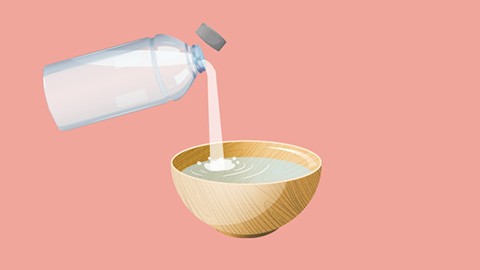
Onychomycosis is a common dermatological condition affecting the nails. Most cases are curable. Conventional approaches include carefully trimming away brittle or thickened portions of the affected nail using a small scalpel, followed by application of a 30% acetic acid solution—or soaking the nail in a proprietary herbal preparation derived from tulip tree (Liriodendron tulipifera). With several months of consistent treatment, a healthy new nail may gradually grow in. For severe cases, oral griseofulvin may be required. Additionally, vinegar essence (high-concentration acetic acid solution) may help improve onychomycosis. While vinegar essence alone can be considered as a treatment option, combining it with other modalities is recommended for optimal results. Nevertheless, vinegar essence remains one of the simplest and most widely adopted home remedies for onychomycosis.
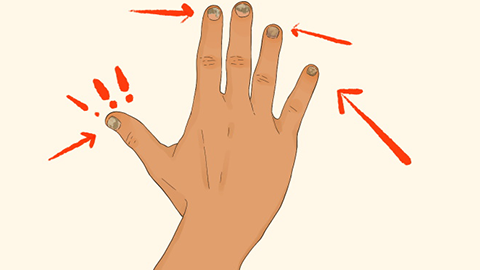
Patients with onychomycosis do not require any special dietary restrictions. However, strict hygiene measures are crucial: personal care items—including foot basins, towels, and toiletries—must be kept separate to prevent transmission of the causative fungi to family members. Footwear and socks must likewise be used exclusively by the affected individual, as they represent common vectors for spreading the infection to others. We hope this information proves helpful!


