


Techniques to Lower Blood Pressure During a Physical Examination

Many people feel unusually anxious during routine health checkups—especially when having their blood pressure measured—leading to inaccurate results and falsely elevated blood pressure readings. So, what techniques can help lower blood pressure during a medical examination?
Techniques to Lower Blood Pressure During a Health Checkup
To help lower blood pressure during a checkup, avoid smoking and alcohol consumption beforehand. Elevated blood pressure is often primarily triggered by excessive mental stress. Being overweight or frequently staying up late and working overtime can also contribute to increased blood pressure. Symptoms may include dizziness and headache, as well as numbness or fatigue in the limbs. Routine self-monitoring with a home blood pressure monitor is advisable. Once the underlying cause is confirmed, oral antihypertensive medications may be prescribed. During recovery, maintain a light, low-sodium diet.
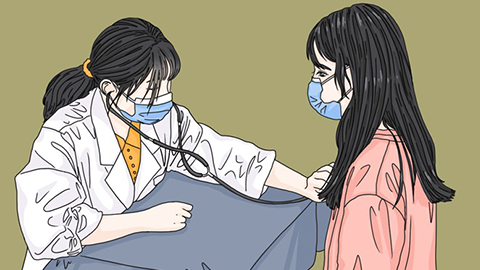
If your blood pressure rises during the checkup, you may temporarily take medication to control it. However, it’s essential to determine whether you truly have hypertension. To do this, monitor your blood pressure at home over several days to assess whether readings are consistently elevated. If home measurements remain within the normal range, long-term antihypertensive therapy is unnecessary; instead, you may take a fast-acting antihypertensive—such as nifedipine or captopril—30 minutes before the examination. Conversely, if your home blood pressure readings are persistently elevated, this indicates genuine hypertension, requiring ongoing treatment with long-acting antihypertensive agents to achieve stable, sustained blood pressure control. Do not take excessive antihypertensive medications solely to “pass” the checkup—this could precipitate hypotension, which would also render the examination result invalid.
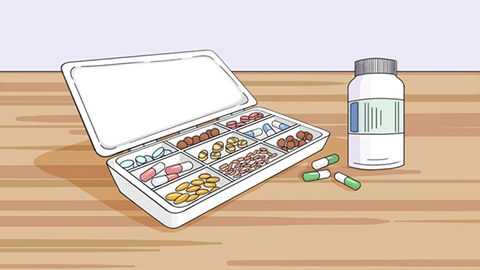
We recommend that patients remain calm and composed during health examinations and consciously minimize anxiety. We hope this information proves helpful to you.


