


Can bronchitis cause difficulty breathing?

Shortness of breath (dyspnea) can arise from numerous causes, including psychological stress, injury to the respiratory organs, or certain diseases that may lead to respiratory distress. Given the wide range of underlying etiologies, treatment approaches vary significantly. Among many diseases, bronchial disorders remain the most common cause of dyspnea. So, does bronchitis cause shortness of breath?
Can bronchitis cause shortness of breath?
Bronchitis is a common lower respiratory tract infection, generally classified into acute and chronic forms—both primarily characterized by cough and sputum production. In cases of wheezing bronchitis, patients may also experience chest tightness, rapid or shallow breathing, and dyspnea. When chronic bronchitis becomes longstanding and coexists with chronic obstructive emphysema, complications such as cardiac fatigue, dyspnea, reduced pulmonary function, and long-term oxygen dependency may develop.
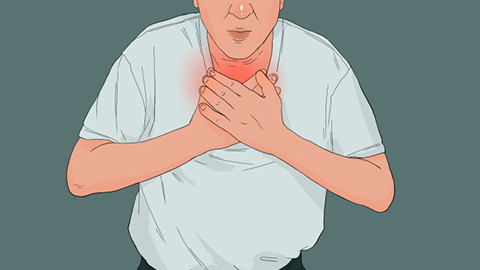
Thus, bronchitis itself typically does not cause dyspnea unless accompanied by wheezing, chest tightness, tachypnea, dyspnea, or bilateral dry/wet rales on auscultation. Chest radiography may reveal increased lung markings, thickened bronchovascular bundles, or disordered lung texture. Moreover, if bronchitis coexists with bronchiectasis or pulmonary fibrosis, symptoms—including dyspnea—may become markedly exacerbated. Therefore, when dyspnea occurs in association with bronchitis, diagnostic tests—including bronchial provocation testing, bronchodilator response testing, and fractional exhaled nitric oxide (FeNO) measurement—are recommended to assess for concomitant airway hyperresponsiveness. If confirmed, corticosteroid therapy may be necessary to effectively alleviate bronchitis-related dyspnea.
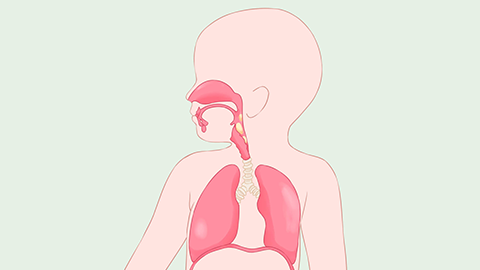
Patients are advised to maintain healthy lifestyle habits and follow a balanced diet, avoiding spicy or otherwise irritating foods. We hope this information proves helpful.


