


Why do I feel nauseous whenever I have a headache?

Nausea and vomiting are common symptoms that may occur when the stomach and intestines are irritated. However, in some individuals, nausea and vomiting often accompany headache. Currently, these symptoms are not solely attributable to gastrointestinal disorders; thus, the question arises: Why does nausea occur with headache?
Why does nausea occur with headache?
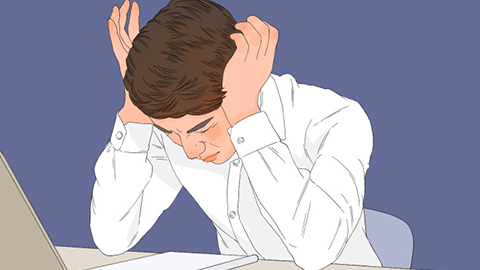
Nausea associated with headache results from pain reflexes. One common cause is migraine—a type of headache typically affecting one or both sides of the head. Migraines are characterized by throbbing or pulsating pain and may be accompanied by sympathetic nervous system–mediated symptoms such as nausea, vomiting, and diarrhea. Emotional stress and excessive work can trigger acute migraine attacks. Another potential cause includes conditions such as hypertension or intracerebral hemorrhage, primarily due to increased intracranial pressure. Elevated intracranial pressure may lead to headache, nausea, vomiting, and impaired physical activity; in severe cases, it may result in brain herniation—a life-threatening emergency. Therefore, headache accompanied by nausea should never be dismissed lightly. It is advisable to seek medical evaluation promptly—including blood pressure measurement—to first rule out cerebrovascular diseases before considering primary (e.g., neurogenic) headache disorders.

Treatment for headache-associated nausea depends on the underlying cause. For instance, if hypertension is identified, antihypertensive medications prescribed by a physician may be administered. Once blood pressure normalizes, headache and nausea typically subside gradually. Alternatively, if migraine is diagnosed, analgesics taken during an acute attack may alleviate headache—and subsequently reduce nausea—as the headache resolves.
Patients are advised to maintain adequate rest and ensure sufficient, high-quality sleep. We hope this information proves helpful.


