


What Causes Pain in the Front Teeth?
Aug 02, 2022
Source: Cainiu Health

Dr. Zhang Liwen
Introduction
Molar pain may be caused by dental caries, periodontal disease, or periapical inflammation. Once such issues arise, a thorough examination is essential to identify and resolve the underlying cause, followed by symptom-based management. Therefore, clinical radiographic imaging and clinical assessment are required in such cases. If the pain is due to dental caries, prompt restorative treatment is necessary to alleviate symptoms.
Patients suffering from toothache often experience excruciating pain—so severe that it feels unbearable. Pulpitis, in particular, is one of the most intensely painful dental conditions currently encountered. When it flares up, the pain may radiate to the head, causing significant distress. It is therefore essential to identify an appropriate treatment for pulpitis to effectively alleviate the symptoms. So, what exactly causes molar tooth pain?
What Causes Molar Tooth Pain?
Molar pain may stem from dental caries, periodontal disease, or periapical inflammation. Once such issues arise, a thorough clinical evaluation is imperative to accurately diagnose the underlying cause and implement targeted management. Consequently, diagnostic imaging (e.g., radiographs) and clinical assessment are indispensable. If caries is confirmed as the cause, prompt restorative treatment (i.e., dental filling) is required to relieve symptoms. In addition, antibiotic therapy may be necessary to control infection; root canal treatment (pulp therapy) may be indicated to address pulpal involvement; and stabilization measures may be needed to preserve tooth integrity—all contributing to effective pain relief. Most importantly, establishing an accurate diagnosis and delivering symptom-specific treatment is paramount. This approach not only helps prevent tooth mobility and loss but also mitigates the risk of secondary infection. In most cases, this comprehensive strategy proves highly effective.
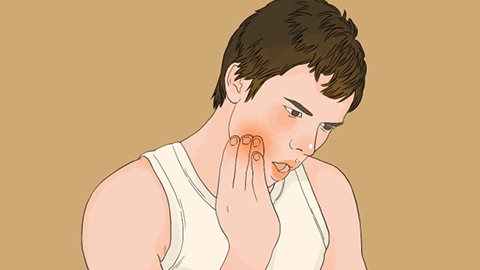
When experiencing molar pain, patients should undergo a comprehensive oral examination, supplemented by radiographic imaging to formulate an appropriate treatment plan. The upper and lower incisors are deeply overlapped by the mandible; thus, severe attrition may expose dentin, rendering teeth hypersensitive to thermal stimuli—requiring desensitizing agents for symptomatic relief. Concurrently, patients should avoid consuming excessively cold or hot foods. In cases of chronic root resorption affecting incisors, occlusal adjustment and reconstruction are warranted. If caries develops in the incisors, timely restoration—tailored to the depth of decay—is recommended. When a lingual groove on the incisor root leads to chronic apical periodontitis, root canal therapy followed by flowable composite resin sealing of the groove is advised. In the event of incisor root fracture, immediate dental implant placement following extraction can restore both function and aesthetics of the dental arch.
Patients experiencing toothache should seek prompt dental care to prevent progression to more serious complications. We hope this information has been helpful.


