


How to Relieve Nausea and Dizziness During Pregnancy

Dizziness and nausea are very common during pregnancy and are generally not caused by organic disease. They are primarily attributable to hypoglycemia or early pregnancy reactions. To alleviate these symptoms, timely energy supplementation, dietary adjustments, and appropriate exercise may help. So, how can pregnant women relieve nausea and dizziness?
How to Relieve Nausea and Dizziness During Pregnancy
Nausea and dizziness in pregnant women can be alleviated by eating small, frequent meals, lying down for a short period, or applying a warm towel for heat therapy—these measures often help ease the symptoms. Dizziness and nausea are common pregnancy-related complaints, mainly resulting from fluctuations in hormonal levels. To prevent such symptoms, pregnant women should maintain emotional stability and avoid excessive anxiety or tension. They should consume light, easily digestible foods and iron-rich foods. During pregnancy, it is advisable to avoid taking nutritional supplements without medical guidance, as inappropriate use may adversely affect maternal health. Always follow your healthcare provider’s advice and attend scheduled prenatal check-ups.

During early pregnancy, dizziness, nausea, and vomiting constitute typical early pregnancy reactions. In the first and second trimesters, hormonal changes lead to decreased blood pressure, resulting in insufficient cerebral perfusion and thus causing dizziness and nausea. Nutritional imbalances—including food aversions, loss of appetite, reduced food intake, malnutrition, and hypoglycemia—may also contribute to dizziness. In the third trimester, uterine enlargement and downward displacement into the pelvic cavity compress venous vessels, impairing venous return to the heart. This compromises cerebral blood supply, leading to dizziness and nausea.
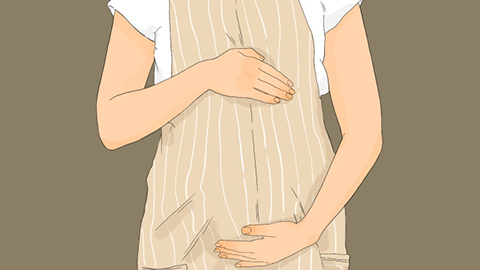
In daily life, adequate rest and balanced nutrition are essential; consuming ample fruits and vegetables is recommended, along with regular health monitoring and prenatal examinations. We hope this information proves helpful to you.


