


Can people with asthma eat mangoes?

If you wish to understand a disease, the most important step is to understand its underlying causes—only by identifying the specific etiology can prevention and treatment be targeted effectively. For example, asthma has a high prevalence in daily life; therefore, identifying its causative factors is essential before initiating appropriate treatment. So, can individuals with asthma eat mangoes?
Can people with asthma eat mangoes?
It is advisable to avoid consuming mangoes while managing asthma. Asthma is a condition characterized by airway hyperresponsiveness. When the airways are exposed to stimuli or immune stressors, asthma symptoms can easily be triggered. Most asthma patients have allergic asthma; thus, they should avoid foods known to provoke allergic reactions. Mangoes are nutrient-rich fruits containing abundant vitamins and dietary fiber, offering high nutritional value and traditional benefits such as clearing heat and moistening the lungs. However, mangoes are also common allergens. Individuals without a prior history of mango allergy may consume them in moderation—but even then, avoidance is still recommended. In patients with overactive immune systems, eating mangoes may trigger asthma exacerbations and worsen symptoms. Therefore, asthma patients should generally avoid mangoes.

If you have never experienced an allergic reaction to mangoes and feel no discomfort after eating them, you may choose to consume mangoes in small amounts to supplement trace elements and vitamins. However, avoid excessive intake to prevent indigestion. Additionally, some patients may be allergic to mangoes—even though they may not yet be aware of it. Moreover, mangoes are highly allergenic: even minimal exposure to mango leaves, pulp, or juice can provoke bronchial asthma attacks, resulting in symptoms such as shortness of breath, wheezing, and respiratory distress. Therefore, such patients should strictly avoid mango consumption to prevent worsening of their asthma symptoms.
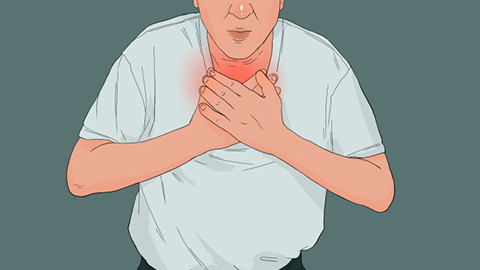
Patients are advised to maintain healthy lifestyle habits and follow a balanced diet, avoiding spicy and irritating foods. We hope this information proves helpful to you.


