


The Relationship Between Heart Disease and Blood Pressure
Aug 02, 2022
Source: Cainiu Health

Dr. Li Man
Introduction
Heart disease and blood pressure are closely related. Hypertension frequently leads to heart disease. In patients with long-standing hypertension, the left ventricle is chronically overworked, resulting in ventricular hypertrophy and hypertensive heart disease. Additionally, hypertension can trigger atrial fibrillation; prolonged hypertension may cause arterial hardening, leading to coronary artery disease, angina pectoris, and other conditions. Abnormal blood pressure is a serious condition that significantly impacts cardiac health.
Hypertension and heart disease are common conditions, often occurring concurrently. What is the relationship between heart disease and blood pressure?
Relationship Between Heart Disease and Blood Pressure
There is a definite association between heart disease and blood pressure. Hypertension frequently leads to heart disease. In patients with long-standing hypertension, the left ventricle is chronically overworked, resulting in ventricular hypertrophy and hypertensive heart disease. Additionally, hypertension may trigger atrial fibrillation; prolonged hypertension can cause arterial hardening, leading to coronary artery disease, angina pectoris, and other cardiovascular complications. Abnormal blood pressure is a serious condition that significantly impacts cardiac health and requires strict control. In daily life, maintaining healthy blood pressure and preventing heart disease involves adhering to regular sleep-wake cycles, avoiding late-night activities, and maintaining emotional stability.

Hypertension and heart disease are prevalent conditions, frequently co-occurring. Heart diseases encompass various types—including hypertensive heart disease, coronary artery disease, and rheumatic heart disease—classified according to their underlying causes. Hypertension is a major risk factor for numerous cardiovascular and cerebrovascular diseases. If left uncontrolled over time, it often precipitates other severe health complications. Hypertension is more commonly observed among elderly individuals, obese persons, and heavy alcohol consumers; affected patients typically require long-term pharmacological therapy to manage their condition.
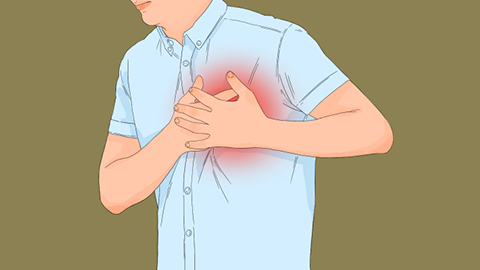
Symptoms of Hypertensive Heart Disease: Early-stage hypertensive heart disease often presents with nonspecific symptoms. Patients may experience only mild manifestations such as headache or chest tightness. As the disease progresses, persistently elevated arterial pressure impairs the heart’s ability to pump blood effectively. Under sustained high pressure, the myocardium undergoes hypertrophy and stiffening, ultimately resulting in pulmonary congestion. We hope this information proves helpful. Wishing you good health and a joyful life!


