Symptoms of Sinus Rhythm with Premature Beats
Aug 02, 2022
Source: Cainiu Health

Dr. Li Man
Introduction
Premature sinus rhythm arises from abnormal ventricular contraction and ejection, as well as uneven blood supply to the sinoatrial (SA) node. Symptoms of premature sinus beats may include palpitations and cardiac arrest. It is recommended to seek medical evaluation at a hospital and follow prescribed pharmacological treatment under a physician’s guidance. In daily life, ensure adequate rest, avoid staying up late, and consume light, easily digestible foods. Refrain from spicy or greasy foods, and strive to minimize the impact of emotional stress.
In daily life, many people are unfamiliar with sinus rhythm and premature beats (premature contractions), often mistakenly assuming these terms indicate serious illness. So, what are the symptoms of premature beats occurring on a background of sinus rhythm?
Symptoms of Premature Beats Occurring on a Background of Sinus Rhythm
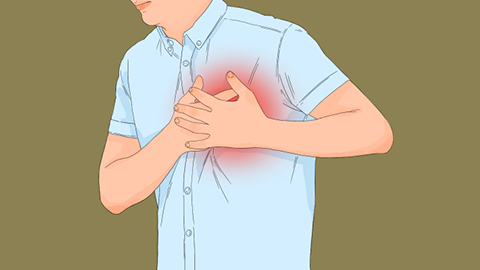
Premature beats arising from sinus rhythm result from abnormal ventricular contraction and ejection, as well as uneven blood supply to the sinoatrial (SA) node. Symptoms may include palpitations and, in severe cases, cardiac arrest. It is recommended to seek medical evaluation at a hospital and follow prescribed pharmacotherapy under physician guidance. In daily life, ensure adequate rest, avoid staying up late, and consume light, easily digestible foods. Spicy and greasy foods should be avoided. Emotional stress should be minimized, and maintaining an optimistic, cheerful mindset is encouraged. Electrocardiogram (ECG) monitoring can be performed at any time as needed.

Sinus rhythm refers to a regular heartbeat pattern wherein the intervals between successive heartbeats are approximately equal. When a heartbeat occurs earlier than expected, it is termed a premature beat. Premature beats are classified into three types: atrial premature beats, junctional premature beats, and ventricular premature beats. Among these, ventricular premature beats generally pose greater clinical significance. Both healthy individuals and patients with underlying heart disease may experience premature beats. In healthy individuals, premature beats often resolve spontaneously through emotional regulation, improved sleep hygiene, and reduced intake of strong tea or coffee.
For patients with underlying heart disease, treatment focuses on managing the primary cardiac condition, supplemented by appropriate symptomatic therapy—such as metoprolol, amiodarone, or Wenxin Keli (a traditional Chinese medicine formulation). Prevention strategies for premature beats should be tailored according to their frequency and severity. Individuals experiencing premature beats should avoid excessive physical or mental exertion; moderate exercise is permissible but should not be prolonged. Importantly, self-medication or arbitrary dose adjustments must be strictly avoided. We hope this information has been helpful. Wishing you good health and a joyful life!