


What should I do if I feel nauseous due to smoking-related poisoning?

Cigarettes are ubiquitous in daily life, and many people have developed the habit of smoking—even for several decades. However, smoking poses serious health risks. Many individuals experience nausea after smoking but remain unaware of its underlying cause. So, what should one do when experiencing nausea due to smoking-related toxicity?
What to Do When Experiencing Nausea Due to Smoking-Related Toxicity
If nausea occurs as a result of smoking-induced toxicity, it is essential to quit smoking immediately and breathe fresh air in a well-ventilated environment. This helps alleviate both the toxicity and nausea caused by smoking. Smoking-related toxicity primarily stems from chronic exposure to smoke in enclosed spaces, leading to cerebral hypoxia (oxygen deficiency in the brain). Without timely intervention, symptoms such as nausea and dizziness may progressively worsen. Given the well-documented adverse effects of smoking on health, it is crucial to reduce smoking frequency or, preferably, quit entirely. Regular, moderate physical exercise is also recommended to help improve lung capacity.
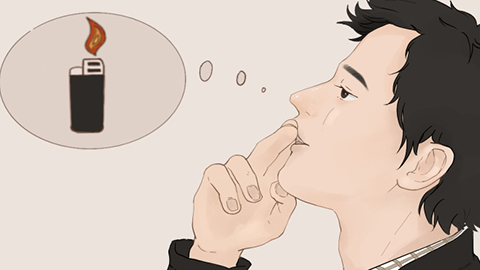
Tobacco contains numerous harmful substances—including nicotine, tar, and carbon monoxide—each exerting distinct detrimental effects on the human body. Nicotine primarily stimulates the central nervous system, inducing dependence and making cessation difficult. Prolonged inhalation of tar can cause squamous metaplasia of the bronchial mucosa, increasing the risk of bronchogenic carcinoma. High-level exposure to carbon monoxide impairs oxygen delivery, potentially triggering cardiovascular and cerebrovascular diseases such as coronary artery disease. Moreover, long-term smoking significantly elevates the risk of various malignancies, including oral cancer and gastric cancer. Thus, smoking is profoundly hazardous to health.
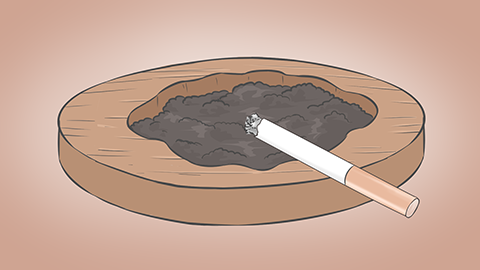
Patients are strongly advised to quit smoking completely and engage in regular physical activity to enhance pulmonary function and overall respiratory health. We hope this information proves helpful.


