


Can Oryzanol treat insomnia?

Insomnia is a very common condition. If it persists over a prolonged period, it warrants attention, as it may indicate an underlying medical disorder. Untreated chronic insomnia can lead to significant physiological dysfunction and adversely affect the patient’s quality of life. So, can gamma-oryzanol treat insomnia?
Can Gamma-Oryzanol Treat Insomnia?
Gamma-oryzanol may help alleviate insomnia to a certain extent. It is primarily indicated for insomnia associated with neurasthenia (a functional nervous system disorder). However, insomnia has many potential causes—including anxiety, depression, and menopausal syndrome. Gamma-oryzanol is mainly used to treat insomnia in individuals exhibiting symptoms such as neurasthenia, low mood, and irritability. Nevertheless, its sedative and hypnotic effects are relatively mild. For patients suffering from severe insomnia, gamma-oryzanol should be combined with other medications to achieve optimal therapeutic outcomes.

If you frequently experience difficulty falling asleep, have excessive dreaming, or struggle to return to sleep after early-morning awakening—and feel unusually drowsy and low in mood during the day—neurasthenia may be a contributing factor. Under a physician’s guidance, gamma-oryzanol, B-complex vitamins, and other appropriate medications may be prescribed. These agents help regulate nervous system function and thus facilitate faster improvement of insomnia symptoms. Concurrently, incorporating foods rich in natural sedatives, calming nutrients, and B vitamins into your diet is advisable. Maintaining a positive emotional state—and avoiding excessive excitement, anger, anxiety, or tension—is also essential. For persistent, refractory insomnia, pharmacologic agents with stronger sedative and hypnotic properties may be considered.
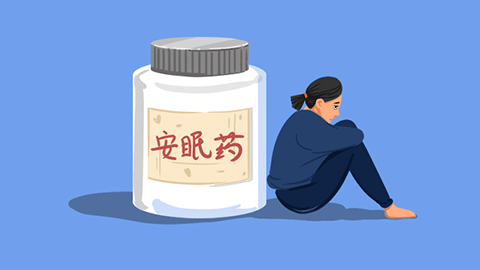
In daily life, patients with insomnia should pay particular attention to three key areas: emotional well-being, medication use, and regular physical exercise—all of which can help improve insomnia symptoms. We hope this information proves helpful to you.


