


Why do I frequently experience gagging while brushing my teeth?

Many people experience nausea and dry retching while brushing their teeth in the morning. If this occurs only occasionally, there is generally no cause for concern. However, if nausea and dry retching frequently occur during toothbrushing—and persist over a prolonged period—it warrants attention. This may result from improper brushing techniques or underlying medical conditions, and timely evaluation and management are recommended. So, what causes persistent dry retching during toothbrushing?
What Causes Persistent Dry Retching During Toothbrushing?
Persistent dry retching during toothbrushing may stem from gingivitis, inadequate oral hygiene after meals, accumulation of food debris or soft plaque, or buildup of dental plaque around the teeth. During brushing, inflammation can irritate the upper palate, triggering nausea and dry retching. Treatment involves professional scaling—using ultrasonic vibration to remove irritants—followed by topical application of medication to the gums. Concurrent tonsillitis may exacerbate dry retching; brushing-induced stimulation can provoke a reflexive nausea response.
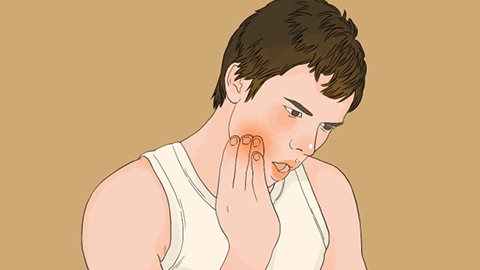
For dry retching following toothbrushing, first examine the throat to assess for chronic pharyngitis or other related conditions. Patients with chronic pharyngitis often experience irritation of the pharyngeal nerves upon morning brushing, leading to reflexive dry retching. Additionally, gastrointestinal disorders such as chronic gastritis should be ruled out, as they too may manifest with dry retching during brushing. If suspected, an electronic gastroscopy may be performed to identify mucosal lesions, and targeted pharmacological therapy can then be initiated based on clinical findings.
Patients are advised to maintain a light, bland diet and seek prompt medical evaluation and treatment upon symptom onset to prevent disease progression. We hope this information is helpful to you.


