


Does onychomycosis (gray nail) cause pain?
Aug 02, 2022
Source: Cainiu Health

Dr. Liu Wan
Introduction
Onychomycosis (fungal nail infection) can cause pain. It is a nail disorder caused by fungal infection, primarily characterized by nail thickening, discoloration, and increased brittleness leading to easy nail breakage. If the nail breaks and becomes red, it may indicate paronychia—a bacterial or fungal infection of the nail fold—which can intensify pain. If the pain from onychomycosis is severe, it is advisable to visit a hospital for liver and kidney function tests.
Onychomycosis (commonly known as “gray nail”) is a common fungal infection encountered in daily life. Many people are unfamiliar with this condition and may worry about the discomfort it causes. So, does onychomycosis cause pain?
Does onychomycosis cause pain?
Yes, onychomycosis can be painful. It is a nail disorder caused by fungal infection, primarily characterized by nail thickening, discoloration, and increased brittleness leading to easy breakage. If the nail breaks and becomes red and inflamed, it may indicate paronychia—a secondary bacterial or fungal infection of the nail fold—which can intensify pain. In cases of severe pain, patients should consult a healthcare provider for liver and kidney function tests. If these functions are normal, antifungal medications may be prescribed under medical supervision for treatment.
Clinical manifestations of tinea unguium (onychomycosis) include accumulation of keratin and debris beneath the nail plate, softening of toenails, nail opacification (cloudiness), and hypertrophy (thickening). One or more small, cloudy, yellowish-brown areas—referred to as “oil spots”—may appear on the nail surface. The nail surface often becomes irregular, brittle, and prone to splitting or breaking; nail layers may separate and change color; in advanced cases, the nail plate may become distorted or even atrophy and shed. The most accurate diagnosis of onychomycosis relies on microscopic examination of nail scrapings or fungal culture.
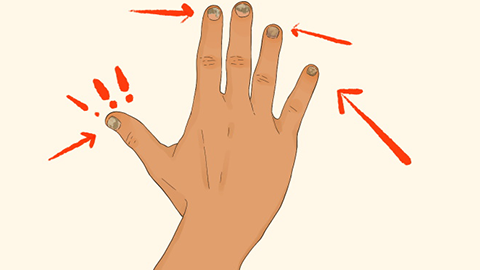
Onychomycosis is a symptom resulting from dermatophyte (skin) fungal infection, which can damage the nail bed or the nail plate underneath, thereby causing the characteristic grayish appearance. Once onychomycosis develops, topical anti-inflammatory and antimicrobial ointments may be applied as part of combination therapy. For severe fungal infections, systemic antifungal and anti-infective medications may be required, or surgical nail avulsion may be necessary. We hope this information has been helpful. Wishing you good health and happiness!


