Does breast fibroadenoma require surgery?
Aug 02, 2022
Source: Cainiu Health

Dr. Lv Aiming
Introduction
Fibroadenoma of the breast does not always require surgical intervention. If the tumor is small, conservative management may be appropriate. Fibroadenoma is the most common benign breast tumor. Although it is a benign lesion, a small subset may undergo malignant transformation. Fibroadenomas are typically solitary, though multiple lesions can occur in some cases. Despite being benign, fibroadenomas carry a potential (albeit low) risk of malignancy; therefore, surgical excision is generally recommended upon diagnosis.
Fibroadenoma of the breast is a very common condition that poses risks to women’s health. Many people are unfamiliar with this disease. So, does fibroadenoma of the breast require surgery?
Is Surgery Necessary for Fibroadenoma of the Breast?
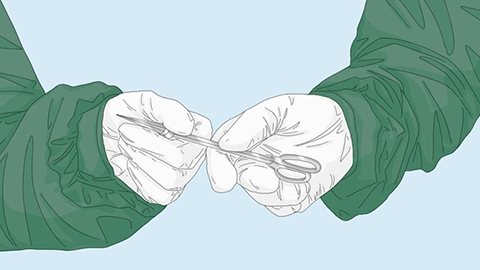
Surgery is not always required for fibroadenoma of the breast. If the tumor is small, conservative management may be appropriate. Fibroadenoma is the most common benign breast tumor. Although it is benign, some cases may undergo malignant transformation. Fibroadenomas are typically solitary, though multiple lesions occur in a minority of cases. Despite being benign, fibroadenomas carry a potential risk of malignancy. Once diagnosed, surgical excision is generally recommended; the procedure can be performed under local anesthesia.
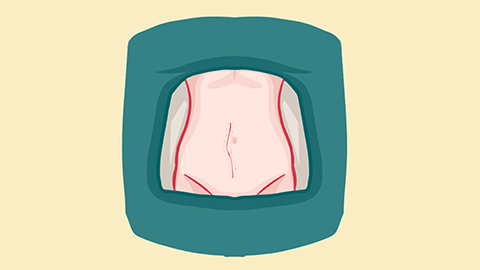
Most patients with fibroadenoma of the breast are asymptomatic. A palpable lump may be discovered incidentally during bathing or swimming. Some patients experience cyclical breast tenderness, swelling, or dull pain around menstruation. Because individual constitutions vary, clinical manifestations may differ among patients.
Patients with fibroadenoma of the breast should avoid foods high in estrogen, such as soy products or dietary supplements containing sex hormones (e.g., royal jelly). The development of fibroadenoma may be associated with excessive estrogen secretion. Therefore, patients are advised to avoid high-estrogen foods and spicy, stimulating foods. They should also refrain from alcohol consumption and smoking. Additionally, patients should avoid strong tea and coffee, as these stimulants may promote tumor growth. We hope this information is helpful to you. Wishing you good health and happiness!