


What should I do for chronic anal eczema?

In real life, unpleasant symptoms such as perianal eczema cause significant psychological distress to patients. Particularly when pruritus or other adverse symptoms occur, patients often feel helpless and dare not scratch—making the situation extremely embarrassing. So, what should be done for chronic perianal eczema?
Management of Chronic Perianal Eczema
The first step in treating chronic perianal eczema is identifying and eliminating its underlying causes or triggers—such as hemorrhoids, anal fissures, anal fistulas, menstrual disorders, or constipation. If the eczema is accompanied by severe erosion and exudation, herbal decoctions containing Phellodendron bark (Huang Bai), raw Sanguisorba root (Sheng Di Yu), purslane (Ma Chi Xian), viola (Xiao Cao Ding), and dandelion (Pu Gong Ying) may be prepared and applied as warm compresses. After compress application, Tai Ning ointment—or a compound ointment containing both antibiotics and traditional Chinese medicinal corticosteroids—can be topically applied to alleviate symptoms. For particularly severe pruritus, antihistamines may be used for symptomatic relief. Since perianal eczema primarily affects the skin surrounding the anus, sitz baths with warm water or potassium permanganate solution after each bowel movement help maintain local cleanliness and relieve symptoms.
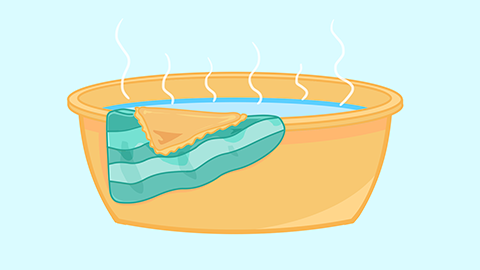
When addressing perianal eczema, it is essential first to identify its etiology. Perianal eczema is a clinical manifestation rather than a primary disease—it is almost always secondary to other conditions. Common underlying causes include internal hemorrhoids, anal papillomas, anal fissures, anal fistulas, and proctitis. These conditions can lead to increased secretions that chronically soak the perianal skin, thereby triggering eczema. Therefore, effective treatment must target the primary disease—for example, internal hemorrhoids, anal fissures, anal fistulas, or anal papillomas. Medications may include oral loratadine, Mai Zhi Ling, An Tai suppositories, and Long Zhu ointment. Herbal sitz baths are commonly employed; topical ointments may also be used. It is crucial to keep the affected area dry and to strengthen overall immunity.

Patients are advised to wear cotton, breathable undergarments and to avoid spicy, stimulating foods—and especially seafood. We hope this information proves helpful.


