


How to Regulate Kidney Yin Deficiency

Yin deficiency with hyperactive fire is very common in daily life, yet its impact can be significant. Therefore, understanding the symptoms of yin deficiency with hyperactive fire—and recognizing when it occurs—can help facilitate timely recovery and restoration of health. So, how should one manage yin deficiency with hyperactive fire?
How to Manage Yin Deficiency with Hyperactive Fire
The primary approaches for managing yin deficiency with hyperactive fire involve medication and dietary adjustments. Commonly used traditional Chinese medicines include Liu Wei Di Huang Wan (Rehmannia Six Formula) and Zhi Bai Di Huang Wan (Anemarrhena and Phellodendron Rehmannia Formula), both of which nourish yin and moisten dryness. “Yin deficiency with hyperactive fire” is a colloquial term in Traditional Chinese Medicine (TCM). According to TCM theory, yin deficiency manifests as heat, whereas yang deficiency manifests as cold. When yin is deficient, yang appears relatively excessive, leading to internal heat or “fire.” Zhi Bai Di Huang Wan is derived from Liu Wei Di Huang Wan, with the addition of Anemarrhena (Zhi Mu) and Phellodendron (Huang Bai)—herbs that clear heat. This formula treats both kidney yin deficiency and hyperactive fire. Its main herbal ingredients include Anemarrhena rhizome (Zhi Mu), Phellodendron bark (Huang Bai), Rehmannia root (Shu Di Huang), Cornus fruit (Shan Zhu Yu), Dioscorea rhizome (Shan Yao), Poria (Fu Ling), Alisma rhizome (Ze Xie), and Tree peony bark (Mu Dan Pi). While this medication may provide rapid symptom relief, it is not intended for long-term use.
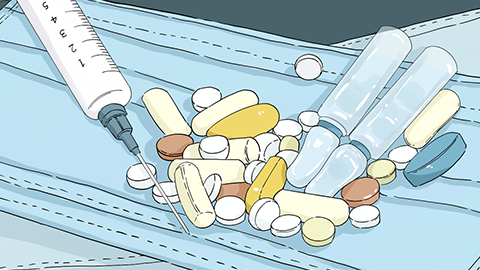
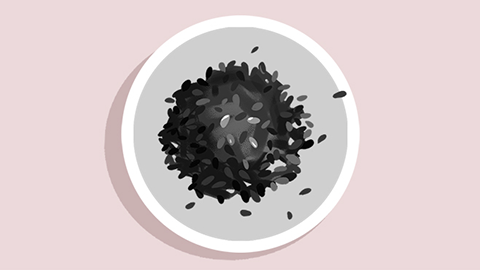
Symptoms of kidney yin deficiency include lumbago and weak knees, tidal fever, night sweats, dizziness and tinnitus, insomnia with vivid dreams, heat sensation in the palms, soles, and chest (“five-center heat”), seminal emission or premature ejaculation, dry throat, flushed cheeks, and reduced saliva production. Several management strategies exist for kidney yin deficiency: First, medications such as Liu Wei Di Huang Wan, Zuo Gui Wan (Left-Returning Pill), and Da Bu Yin Wan (Great Yin-Nourishing Pill) may be prescribed. Second, acupuncture therapy may be considered; however, patients are advised to seek treatment at a reputable hospital. Commonly selected acupoints include Shenshu (BL23), Guanyuan (CV4), and Sanyinjiao (SP6). Third, dietary therapy (food therapy) can be beneficial—incorporating more black-colored foods into the diet, such as black sesame seeds and black beans.
Patients are also encouraged to engage regularly in physical exercise to strengthen their constitution—a practice that benefits those with kidney yin deficiency as well. We hope this information proves helpful to you.


