


What Causes Dizziness During Menstruation?
Aug 02, 2022
Source: Cainiu Health

Dr. Lv Aiming
Introduction
Dizziness during menstruation is primarily caused by the following factors:
1. If a woman experiences heavy menstrual bleeding, dizziness may be related to anemia. Additionally, psychological stress may trigger autonomic nervous system dysfunction—such as orthostatic hypotension—and hypoglycemia is also a common cause of dizziness during menstruation.
2. A sudden decline in sex hormone levels before menstruation can provoke certain physiological responses.
Many women experience dizziness during their menstrual period. This not only disrupts daily life but also impairs learning and work efficiency; thus, many women seek prompt relief from this issue. So, what causes dizziness during menstruation?
What causes dizziness during menstruation?
The primary causes of menstrual dizziness include the following:
1. Heavy menstrual bleeding may lead to anemia-related dizziness. Additionally, psychological stress can trigger autonomic nervous system dysfunction—such as orthostatic hypotension—and hypoglycemia is another common cause of dizziness during menstruation.
2. A sudden decline in sex hormone levels before menstruation affects multiple body systems, provoking various physiological responses. These symptoms typically emerge 7–14 days prior to menstruation, intensify 2–3 days before onset, and gradually subside after menstruation begins. Medically, this cluster of pronounced premenstrual changes is termed “premenstrual syndrome” (PMS).
3. During menstruation, some women experience dizziness and abdominal bloating, while others suffer breast tenderness; these symptoms generally resolve spontaneously after menstruation ends.
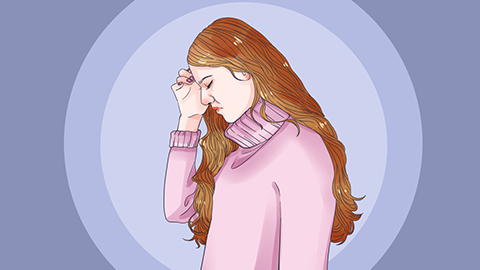
Menstrual symptoms vary widely among individuals and may include lower abdominal distension or pain, low back soreness or pain, fatigue, headache, nausea, vomiting, a sensation of vaginal discharge, and breast tenderness. Most menstrual discomforts resolve spontaneously; however, a small number of women may require pharmacological intervention. When necessary, comprehensive diagnostic evaluations should be performed to identify the underlying cause of menstrual discomfort. Notably, secondary dysmenorrhea may stem from organic gynecological disorders requiring timely diagnosis and treatment.
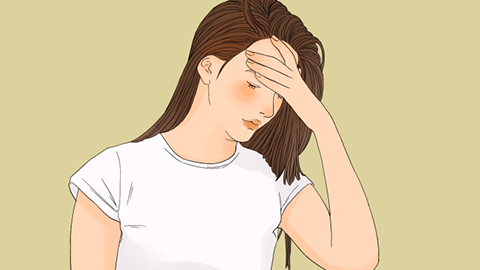
Drinking warm water and maintaining warmth during menstruation can help alleviate discomfort to some extent. We hope this information proves helpful. Wishing you good health and happiness!



