


Why Does Pulpitis Cause More Severe Pain at Night?

In daily life, toothache is no longer an unusual occurrence. However, some individuals experience severe pain upon waking in the middle of the night—pain so intense it can be shocking. This condition involves more than simple dental inflammation; it may indicate pulpitis. So why does pulpitis cause such intense pain at night?
Why Pulpitis Causes More Severe Pain at Night
The primary reason pulpitis causes intensified nocturnal pain is increased pressure within the pulp chamber, compounded by the patient’s supine position during sleep. This posture enhances blood flow to the dental pulp, thereby exacerbating inflammation and pain. Upon waking in the morning, changes in body position reduce blood supply to the pulp chamber, alleviating pressure and partially relieving the pain. Nevertheless, prompt consultation with a dentist or endodontist at a dental hospital remains essential. Since this type of toothache tends to recur and cannot resolve spontaneously, definitive treatment—specifically root canal therapy—is required to eliminate the underlying cause and fully resolve the toothache.
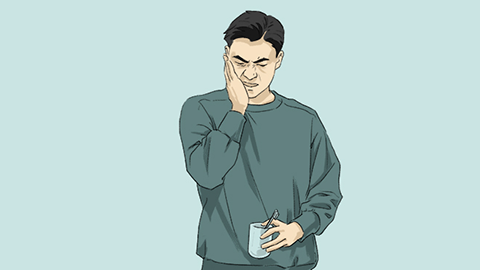
Pulpitis is an inflammatory disease affecting the dental pulp—a loose connective tissue located within the pulp chamber inside the tooth, composed primarily of nerves and blood vessels. If deep caries, wedge-shaped defects, or other hard-tissue dental diseases are not promptly and effectively controlled or treated, pulpitis may develop. Symptoms typically include toothache, initially manifesting as sensitivity to hot or cold stimuli or nocturnal pain, and often progressing to persistent, unremitting pain.
Patients are advised to limit intake of sweets and carbonated beverages, brush their teeth twice daily (morning and evening), and rinse their mouth after meals. We hope this information proves helpful.


