


Which day after menstruation is the most fertile?

Many women begin actively trying to conceive immediately after their menstrual period ends. However, for scientifically informed conception planning, it’s essential to calculate the ovulation period—since the days surrounding ovulation offer the highest likelihood of pregnancy. So, on which day(s) after menstruation is conception most likely?
When After Menstruation Is Conception Most Likely?
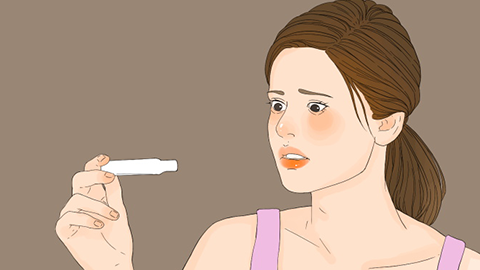
Intercourse during the ovulation period carries the greatest chance of conception. Typically, ovulation occurs around Day 14 counting from the first day of the menstrual cycle. The “fertile window” spans five days before and four days after ovulation—i.e., Days 10–19 of a standard 28-day cycle. If you remain uncertain, a blood hCG test, transvaginal ultrasound, or home pregnancy test can be performed approximately 10 days after intercourse—or one week after a missed period—to confirm pregnancy.
The three days immediately following menstruation and the three days immediately preceding it are generally considered the “safe period,” during which pregnancy risk is very low. This is primarily because ovulation does not occur during these times, and the uterine environment is unsuitable for embryo implantation. Moreover, engaging in intercourse during menstruation may trigger uterine contractions induced by sexual arousal, potentially forcing endometrial fragments into the pelvic cavity. Sperm may then encounter damaged endometrial tissue and extravasated blood cells—and even enter the bloodstream—potentially triggering the production of anti-sperm antibodies, thereby impairing fertility.

When preparing for pregnancy, it’s important to cultivate healthy lifestyle habits: maintain optimal physical health, engage in appropriate physical activity, manage stress effectively, avoid staying up late, and follow a balanced diet—while steering clear of spicy or highly stimulating foods. We hope this information proves helpful. Wishing you excellent health and happiness!


